If you've ever eyed a big piece of gym equipment and wondered whether it would earn its floor space, this is for you. By the end, you'll know how to audit what you own, what to skip, and which three items can cover a whole-body routine without a four-figure budget.
The real waste isn't one machine
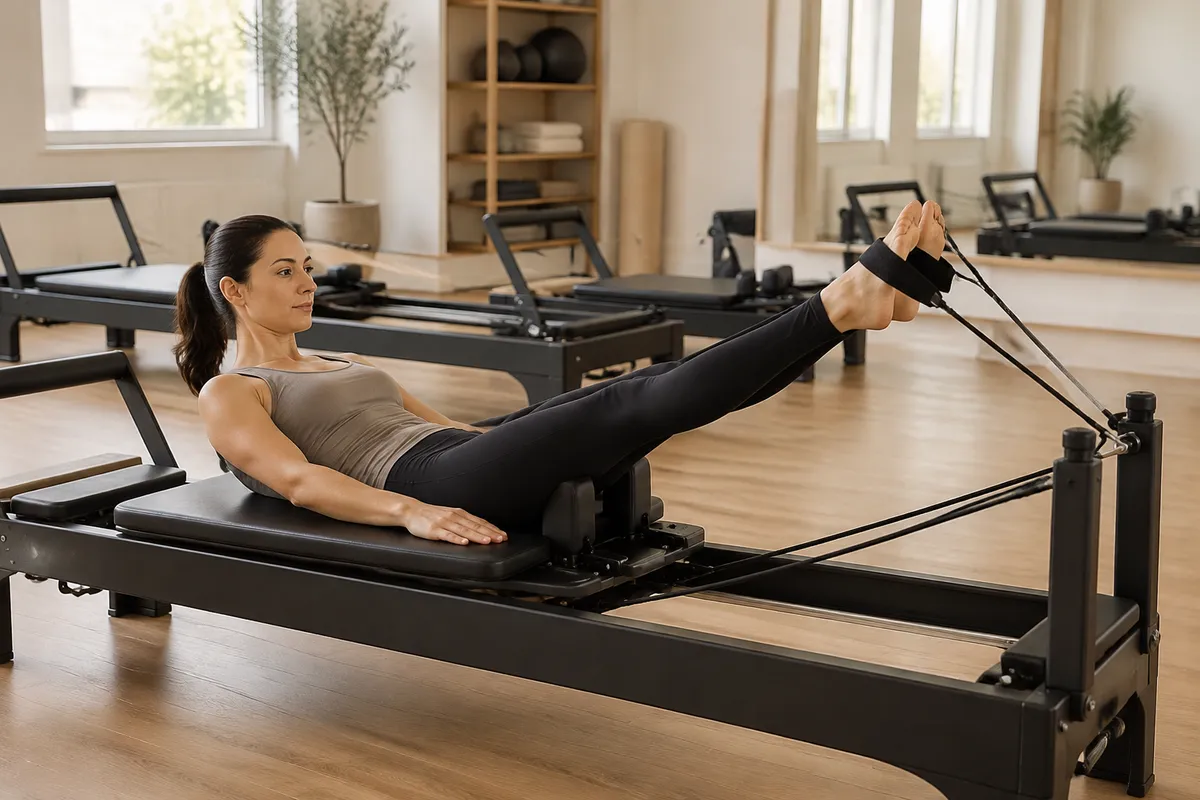
Fox News recently reported on fitness coach Jacob Zemer's take on the biggest waste of money in a home gym. The answer isn't one particular machine. It's any bulky, hard-to-use equipment that discourages consistency.
That framing is useful because it shifts the question. Instead of asking "Is this a good piece of equipment?", ask "Will I actually use this three times a week?" Gear that takes ten minutes to set up, blocks a doorway, or feels intimidating tends to become a very expensive coat rack.
Why spending is climbing
Per the Fox News report, Americans are spending more on health and wellness, and many home gym owners expect to spend $1,000 or more this year. When costs rise, the cost of a bad purchase rises with them. A thoughtful setup matters more than a big one.
The three-piece setup
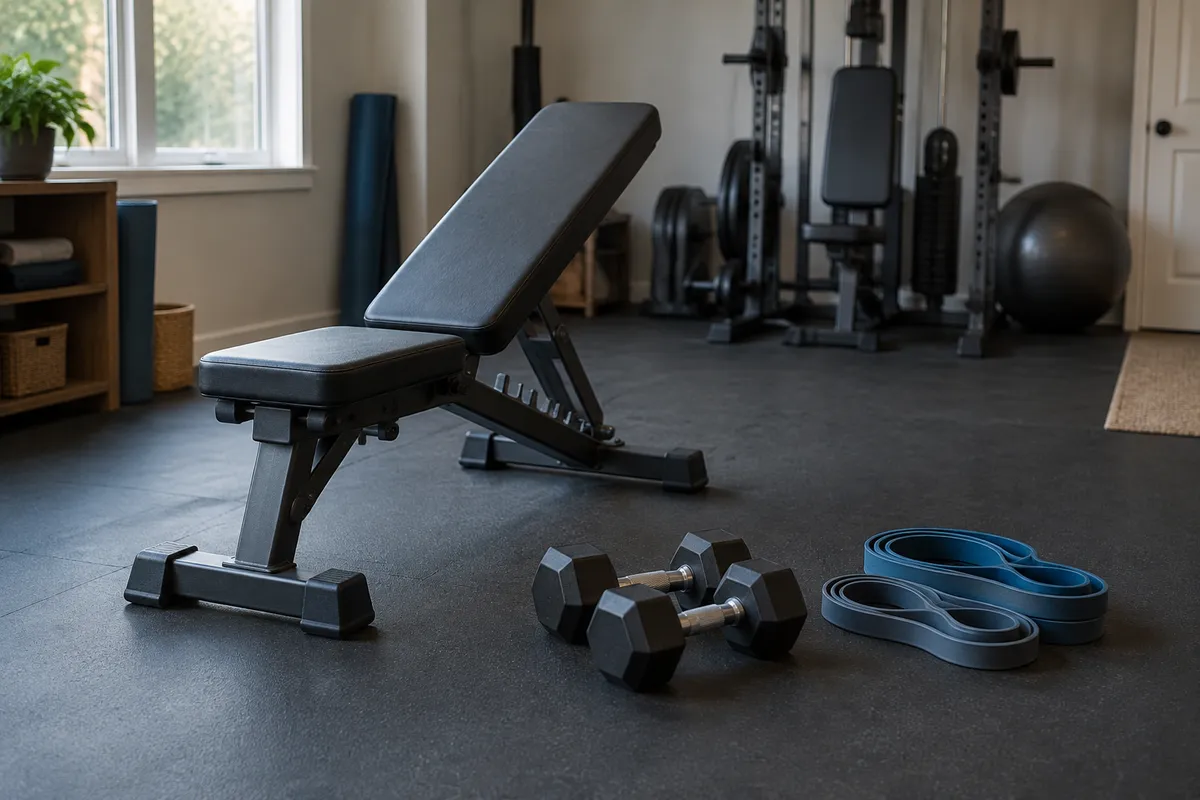
Zemer recommends starting with three essentials: bands, dumbbells and an adjustable bench. According to the report, that combination lets you train every muscle group on a budget. Here's how each piece earns its place. The role descriptions below are my own general fitness reasoning, not Zemer's quotes.
Resistance bands
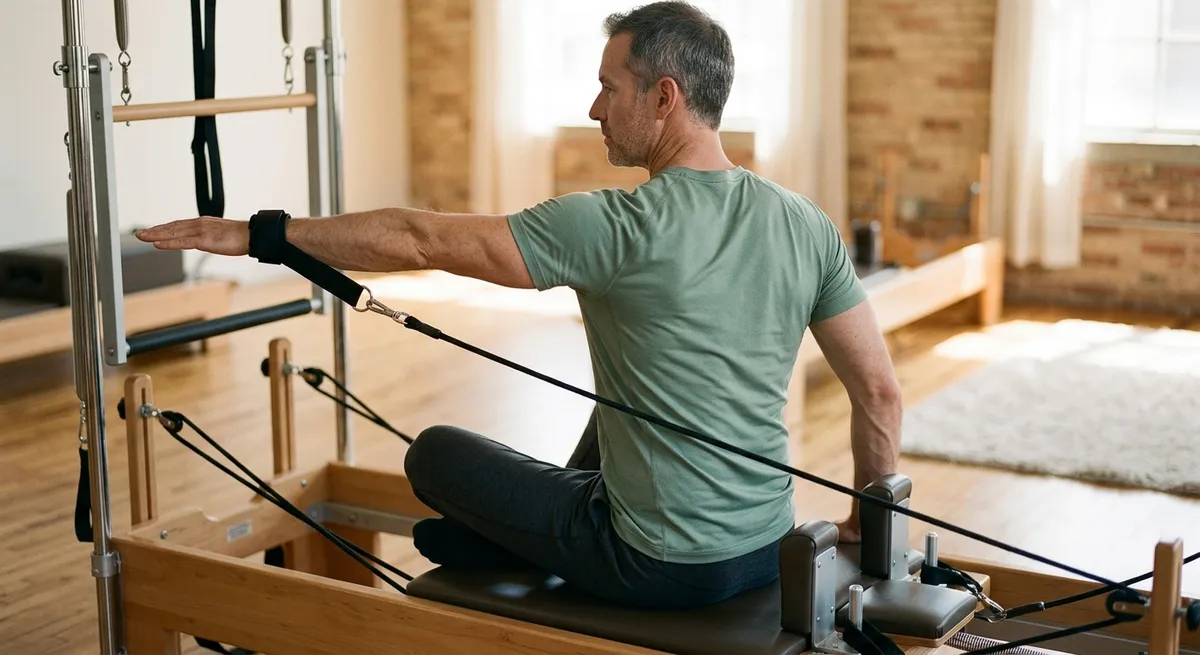
Bands are light, cheap and easy to store. They suit pulling and shoulder work, warm-ups, and travel. Keep them in a drawer or hang them on a hook, and the barrier to starting a workout nearly disappears.
Dumbbells
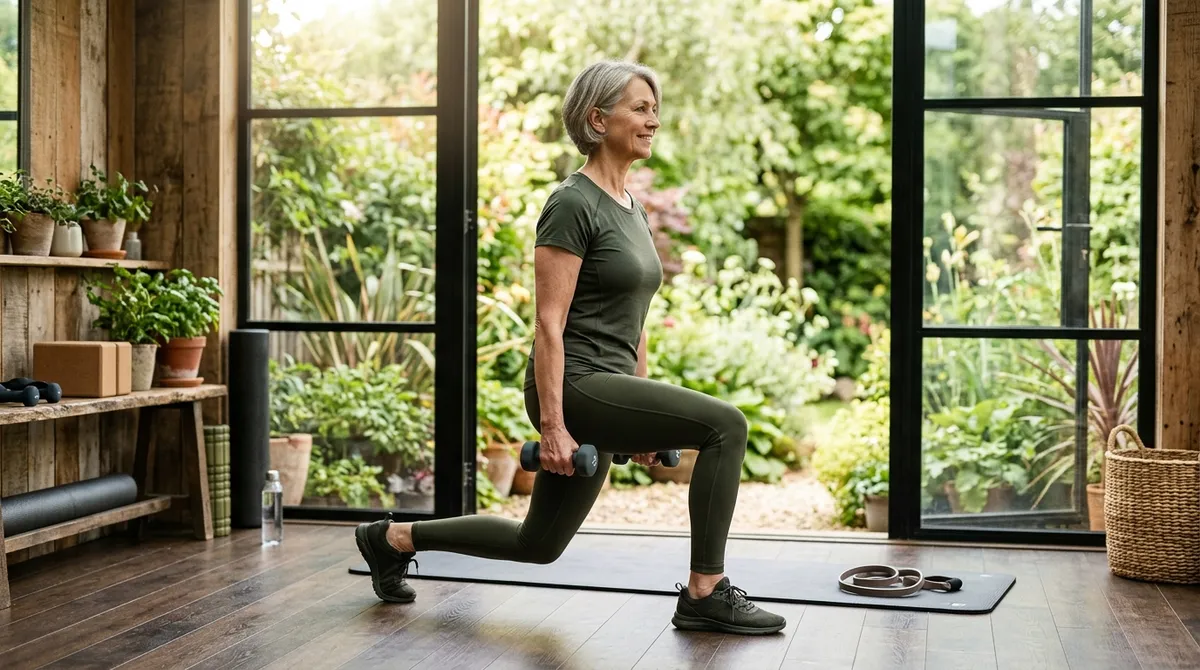
Dumbbells cover the bulk of strength training: presses, rows, squats, lunges, curls and carries. They're straightforward to learn, and you can progress by moving to heavier weights over time.
An adjustable bench
A bench opens up chest presses, supported rows, step-ups and seated shoulder work. Adjustable is the key word: one bench can flat, incline and sit upright, which multiplies what your dumbbells can do.
Run a quick home gym audit
Walk through your space with these questions:
- Did I use it in the last month? If not, be honest about why.
- Is setup easy? If getting it ready feels like a chore, you'll skip workouts.
- Does it duplicate something I already have? If dumbbells and bands cover the movement, it may be redundant.
- Does it take up space I'd rather have back? Floor space has value too.
Sort each item into keep, sell, or skip. Sell what fails multiple questions, and put that money toward the three essentials if you're missing any.
Buying rules for tight budgets and tight spaces
- Start small. Begin with the three-piece setup and add something only after you've hit a real limit.
- Favor gear that stores easily. Bands and a bench that stays out of the way beat anything needing its own corner.
- Buy for the routine you'll do, not the one you imagine. A realistic plan beats an ambitious wish list.
- Make it frictionless. Keep equipment where you can grab it in under a minute.
What about cardio?
The report's angle centers on strength gear, so I won't claim specifics about cardio machines from it. As a general principle, the same test applies: if a big machine would be hard to set up or tempting to ignore, consider whether walking, jogging outdoors, or simple band and dumbbell circuits can do the job at far lower cost.
The takeaway
The best home gym is the one you'll actually walk into. Before your next purchase, audit what you own, then build around bands, dumbbells and an adjustable bench. Consistency, not square footage, is what pays you back.