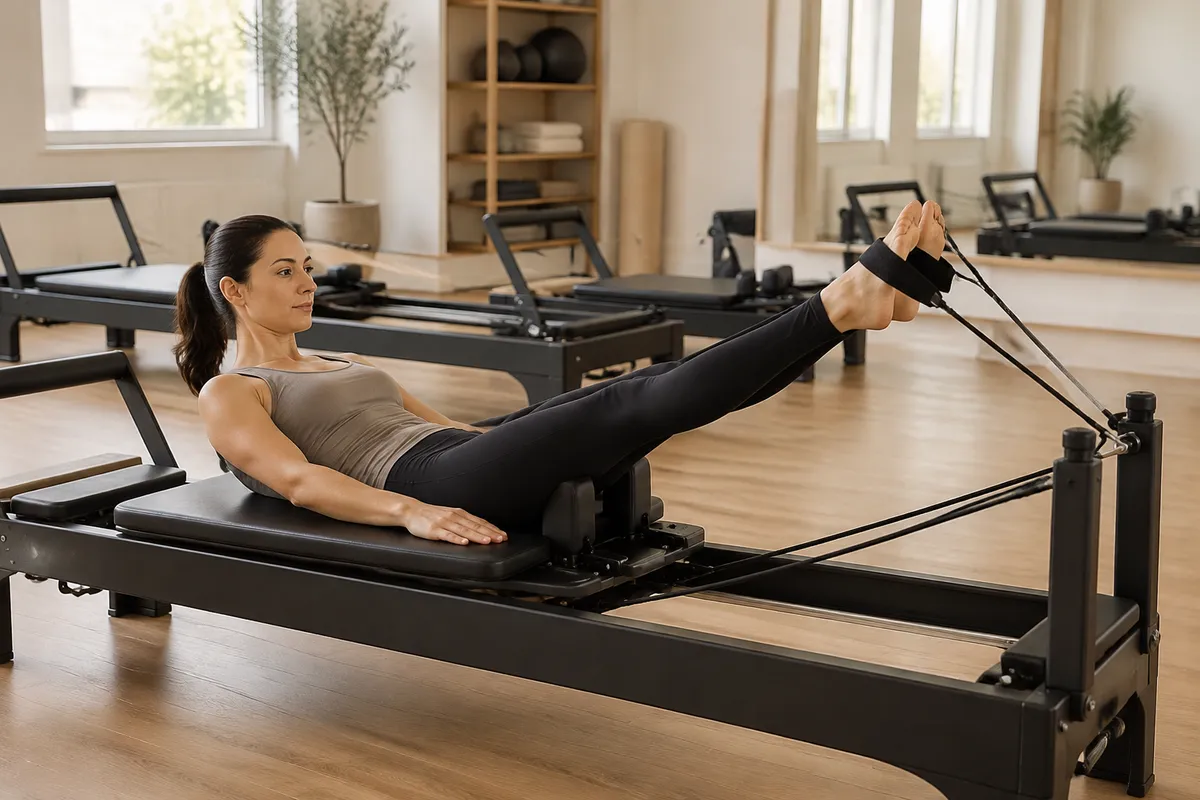
If you want a workout that feels serious but doesn't pound your joints, reformer Pilates keeps showing up for a reason. A fitness writer recently tried it twice a week for a month and shared the results with AOL: more energy, happier joints, and relief from the neck tension that comes with screen time. Below is what that month showed, plus how to use it if you're curious but a little intimidated by the machine.
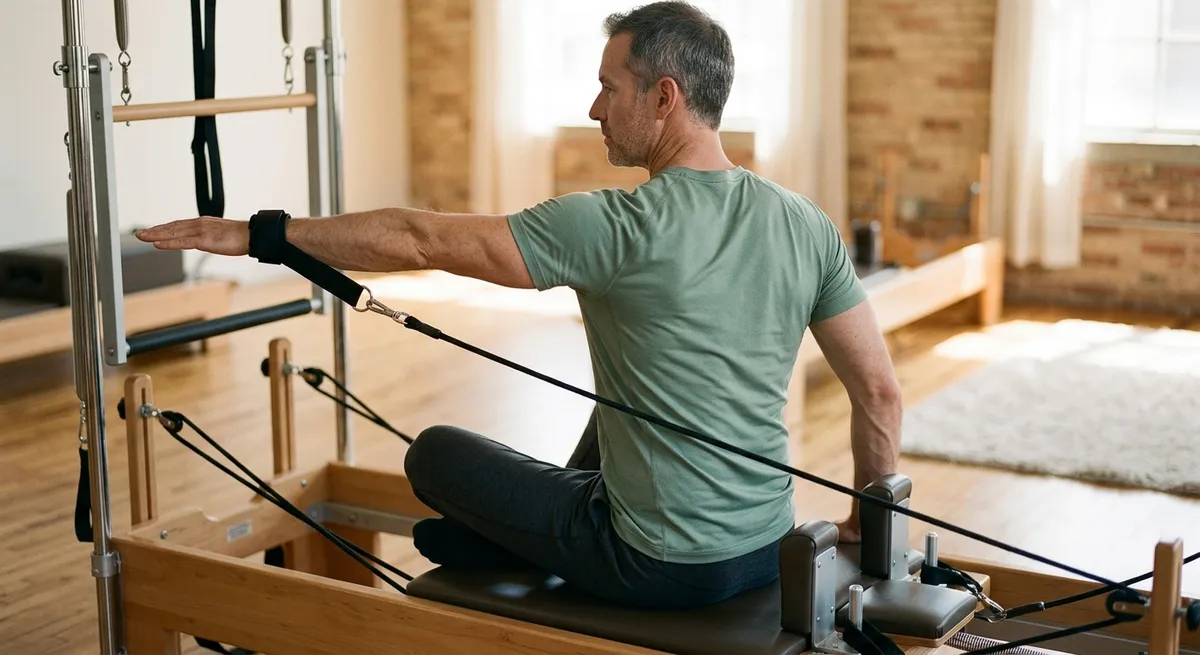
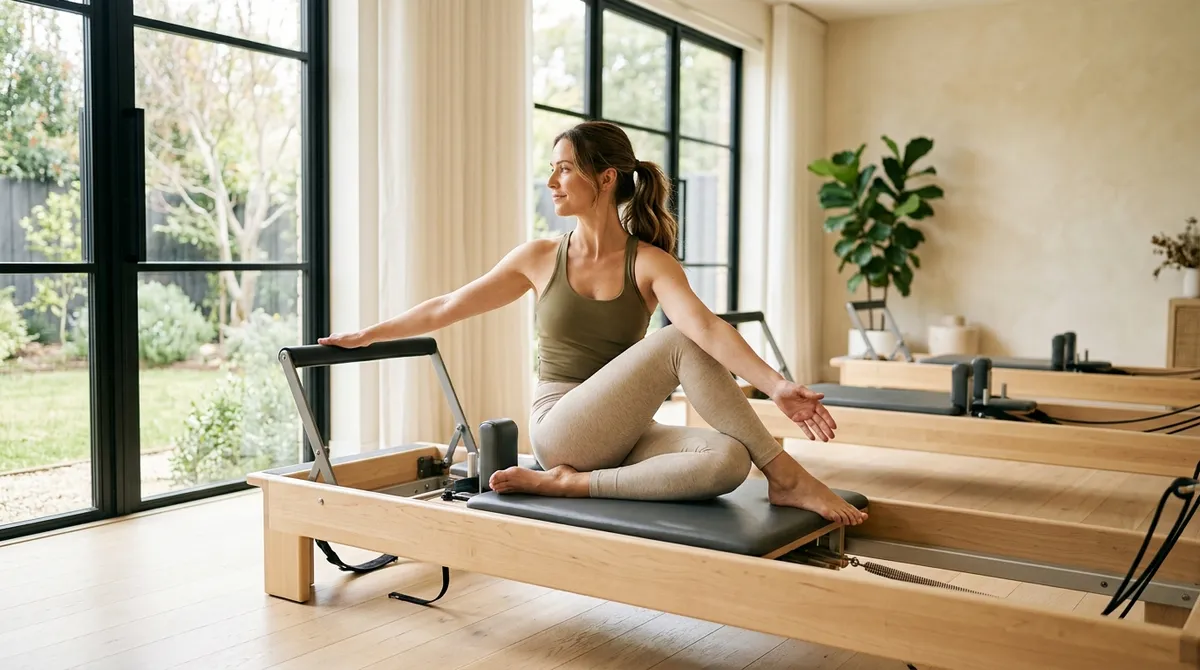
The reformer has a moving carriage, springs, and straps, so it can look like gym equipment designed by a puzzle maker. Per the report, the takeaway is simple: it's challenging, it's low-impact, and it gets easier with practice.
It's Hard at First, and That's Normal
The first lesson from the month: reformer Pilates is difficult, but practice pays off. That's the honest framing beginners need. If your first class leaves you shaky, unsure of the footwork, or wondering how something so slow can be so tiring, you haven't failed. You're learning a new movement language.
A few ways to make the learning curve friendlier:
- Book consistently. The writer's experiment used two sessions a week. A regular rhythm gives your body repetition, which is where the improvement comes from.
- Tell the instructor you're new. They can adjust springs and offer cues so you aren't guessing.
- Judge progress by familiarity, not perfection. When the setup stops feeling confusing, that's a win.
Expect an Energy Lift
Another result from the month: reformer Pilates boosted the writer's energy levels. Many people assume a hard workout means being wiped out afterward. Controlled, resistance-based movement can instead leave you feeling more awake and more capable.
To make the most of that, try scheduling a class at a time of day when a boost helps you most, such as before a long afternoon of work. Notice how you feel the rest of the day, not just during class. Your own pattern is the best data you'll get.
It's Easy on the Joints
The writer also found reformer Pilates gentle on the joints. This is a big part of its appeal. Unlike high-impact options such as running, the reformer has you pushing and pulling against spring resistance while supported, with no repeated pavement pounding.
That makes it a sensible choice if you want to stay strong and active while being mindful of achy knees, hips, or other sore spots. If you have a specific injury or ongoing pain, check with your healthcare provider before starting a new routine, and tell your instructor about it.
Tech Neck Gets Some Attention
The standout for many readers: reformer Pilates worked wonders for "tech neck," the tension that builds when you spend hours looking down at a phone or hunched at a laptop. The writer reported noticeable improvement in posture-related tension over the month.
I'd treat that as one person's experience, not a guarantee. Still, it makes intuitive sense that a practice built around body awareness, core engagement, and mindful positioning would help you notice how you hold your head and shoulders all day.
Pair class time with small daily habits:
- Raise your screen toward eye level.
- Set a reminder to reset your posture every hour or so.
- Carry what you learn in class, like stacking your head over your shoulders, into your regular day.
You Can Build On It at Home
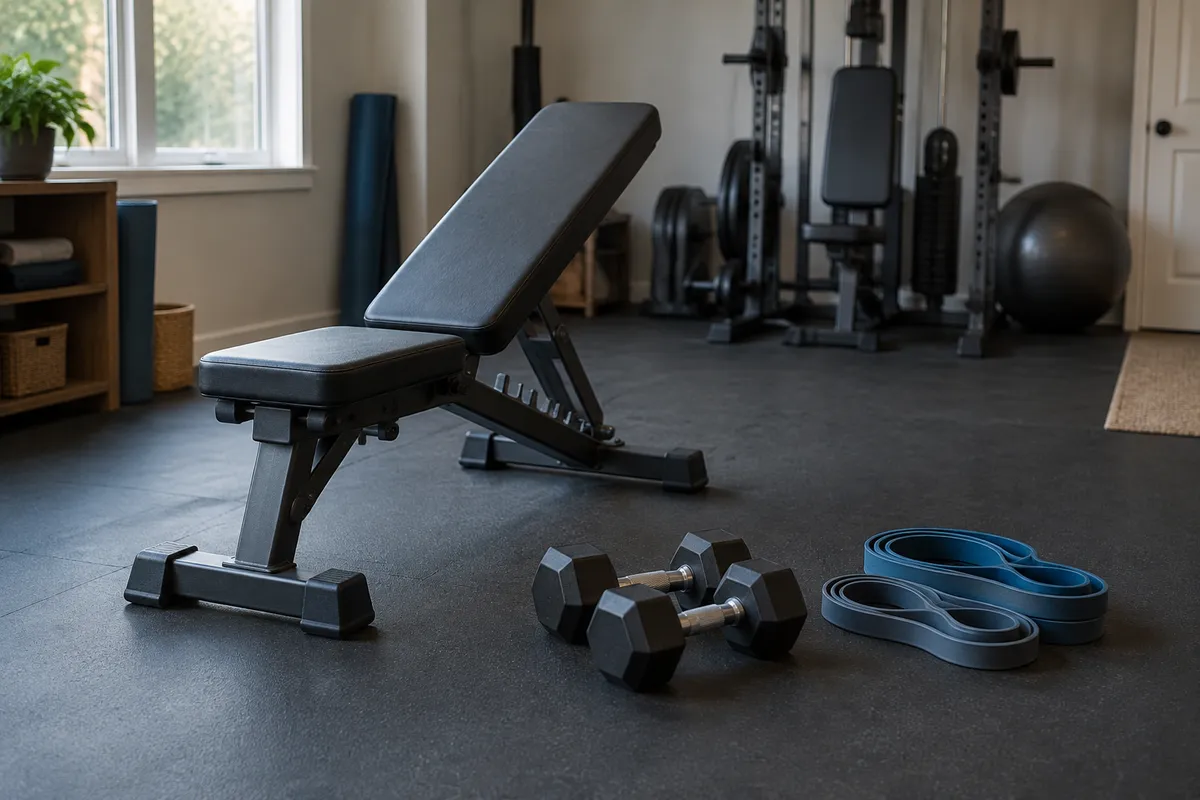
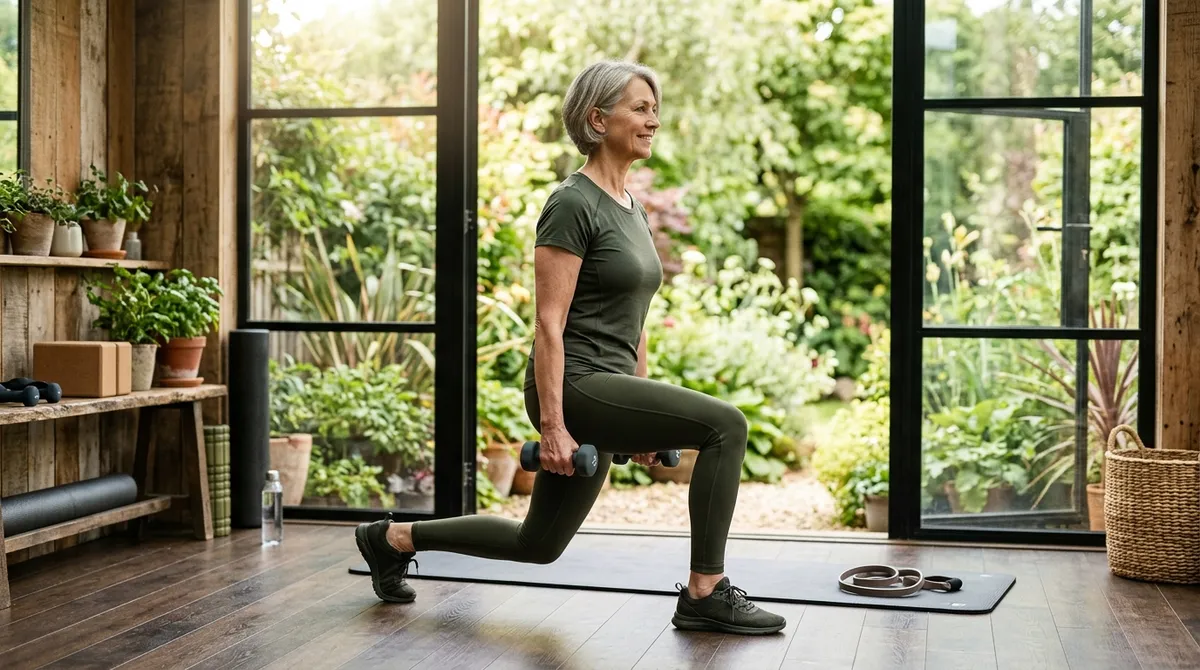
The final takeaway is practical: you can combine reformer Pilates with home workouts. A studio membership doesn't have to be your whole fitness plan. The writer's experience suggests the two work together, with classes building skill and awareness and home sessions keeping you moving between visits.
A simple way to structure a week:
- Two studio sessions for guided reformer work, matching the pace used in the one-month experiment.
- Home movement on other days, such as mat-based or bodyweight workouts that reinforce the core strength and posture cues you picked up.
- Short daily check-ins on how your neck, shoulders, and joints feel.
This blend is also friendlier to your budget and your schedule, since you're not relying on the studio for every workout.
Why It's Having a Moment
Per the report, reformer Pilates is enjoying a major wellness moment, helped along by celebrity fans and growing demand for low-impact workouts that still feel effective. It also speaks to common modern frustrations: screen-related neck tension, stress, stiff mobility, and workout burnout. That combination explains why a method that looks complicated keeps attracting beginners.
Try Your Own One-Month Test
You don't need to overhaul your life to find out if this works for you. Commit to twice a week for four weeks, tell your instructor you're a beginner, and keep a few notes on your energy, joint comfort, and neck tension. By week four, you'll have your own answer, and it will be far more useful than anyone else's.