The Growing Demand for Accessible Strength Training
Aging adults are increasingly seeking short, equipment-free routines that preserve independence and functional strength. According to reports, Pilates is emerging as an ideal solution, fitting the current demand for accessible workouts that support longevity, joint health, and everyday movement.
A new approach suggests that core-led bodyweight movements can rebuild practical full-body strength, balance, mobility, and posture without requiring gym machines—all in just 10 minutes daily.
Three Essential Pilates Moves for Strength After 55
The routine centers on three fundamental Pilates exercises that target multiple muscle groups while emphasizing functional movement patterns:
The Saw
This classic Pilates movement combines spinal rotation with forward flexion, engaging the core while improving mobility through the spine and shoulders. The exercise helps maintain the rotational movement patterns essential for daily activities.
Hip Dips
Focusing on lateral core strength and hip stability, hip dips target the often-neglected muscles that support balance and prevent falls. This movement builds the side-body strength crucial for maintaining stability during everyday tasks.
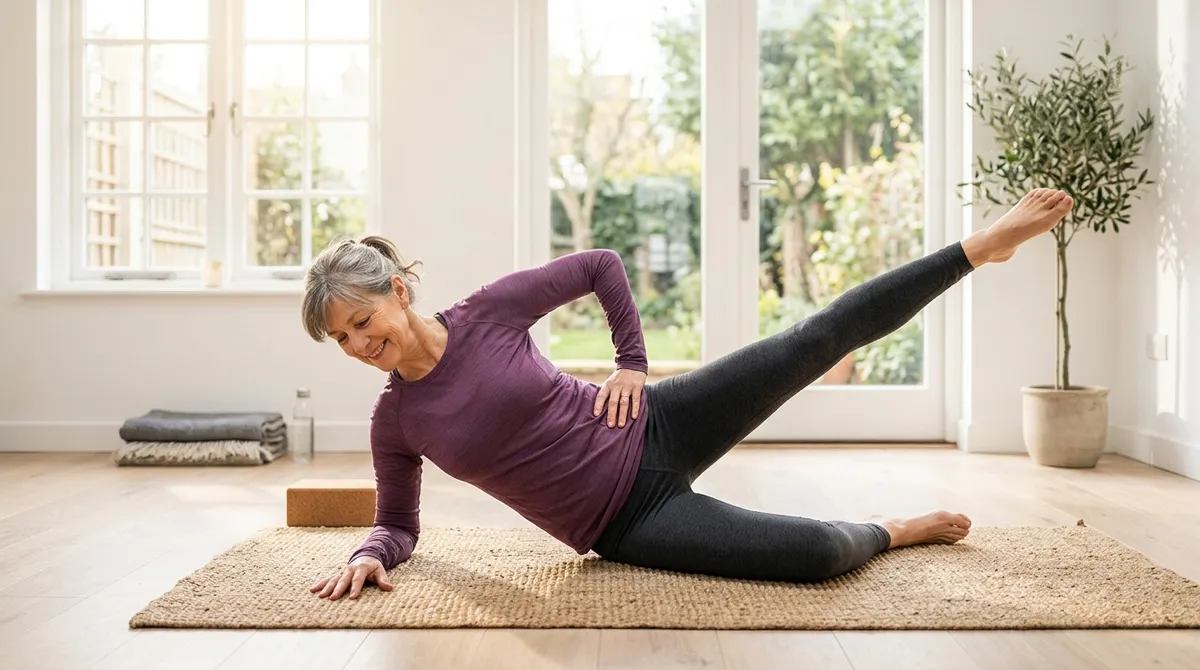
Side-Lying Leg Circles
Performed while lying on one's side, this exercise strengthens the hip muscles while improving range of motion. The controlled circular movements help maintain hip flexibility and build the strength needed for walking and stair climbing.
Why Core-Led Movement Matters After 55
According to reports, these bodyweight movements offer specific advantages over traditional gym equipment for older adults. The core-focused approach addresses the fundamental stability needs that support all other movement patterns, making daily activities feel easier and more confident.
The emphasis on functional strength means each exercise translates directly to real-world movements—reaching, bending, turning, and balancing—that adults need to maintain independence as they age.
Building Confidence Through Consistent Practice
Reports indicate that small daily movement can significantly improve confidence, stability, and total-body strength. The 10-minute format makes the routine sustainable for busy schedules while providing enough stimulus to create meaningful changes in strength and mobility.
The accessibility of the routine—requiring no special equipment or gym membership—removes common barriers that prevent older adults from maintaining regular exercise habits.
Modifications for Every Fitness Level
The beauty of this Pilates approach lies in its adaptability. Each movement can be modified to accommodate different fitness levels and physical limitations, making it suitable for beginners while still challenging for those with more experience.
The timer format mentioned in reports helps create structure and consistency, allowing practitioners to focus on proper form rather than counting repetitions.
Supporting Joint Health and Longevity
Pilates movements emphasize controlled, flowing motion that supports joint health while building strength. This approach aligns with the growing understanding that gentle, consistent movement is more beneficial for aging bodies than intense, sporadic exercise sessions.
The focus on posture improvement through these exercises addresses one of the most common concerns among adults over 55—maintaining upright, confident posture that supports spinal health and overall well-being.
Making Movement a Daily Habit
The 10-minute commitment makes this routine practical for integration into daily life. Whether performed in the morning as an energizing start to the day or in the evening as a gentle wind-down, the brief time investment can yield significant returns in strength, balance, and mobility.
According to reports, this type of routine supports the broader goal of maintaining everyday independence—the ability to perform daily tasks with confidence and ease throughout the aging process.