
Understanding the New Protein Paradigm
Recent discussions in the health community suggest that current dietary guidelines for protein may not be sufficient for optimizing longevity and overall health. A new perspective paper highlights that many adults might benefit from protein targets that are higher than previously recommended—often around 1.2 to 1.6 grams of protein per kilogram of body weight daily. This shift in understanding emphasizes not only the need to prevent protein deficiency but also to support muscle health, metabolic function, and healthy aging.
Why Higher Protein Matters
As we age, maintaining muscle mass is crucial. Studies indicate that a higher protein intake can help mitigate age-related muscle loss, improve metabolic health, and potentially increase longevity. The conversation surrounding protein has also gained traction among fitness enthusiasts, those using GLP-1 weight-loss drugs, and individuals focusing on healthy aging. It’s no longer simply about hitting minimum requirements; it’s about tailoring protein intake to support a fuller, healthier life.
How to Calculate Your Protein Needs
Calculating your ideal protein intake involves a few straightforward steps:
Determine Your Weight in Kilograms: If you're more familiar with pounds, divide your weight by 2.2 to convert it to kilograms. For example, if you weigh 150 pounds, you weigh approximately 68 kg (150 ÷ 2.2 = 68).
Choose Your Protein Target: Based on the new guidelines, multiply your weight in kilograms by 1.2 to 1.6 to find your personalized protein range. Using the same example:
- Minimum Needs: 68 kg x 1.2 g/kg = 81.6 grams
- Higher Needs: 68 kg x 1.6 g/kg = 108.8 grams This suggests that a person of 150 pounds should aim for a protein intake between 81.6 and 108.8 grams per day, depending on their activity level and health goals.
Consider Your Lifestyle: Your protein needs may vary based on your lifestyle. Active individuals or those looking to build muscle may benefit from aiming toward the upper end of the protein spectrum.
Selecting Quality Protein Sources
Once you’ve calculated your protein needs, choosing high-quality protein sources is essential. Here are some options to consider:
- Lean Meats and Poultry: Chicken breast, turkey, and lean cuts of beef or pork.
- Fish: Salmon and tuna offer omega-3 fatty acids and protein.
- Eggs: A versatile source, eggs are high in protein and other nutrients.
- Dairy: Greek yogurt, cottage cheese, and low-fat milk provide both calcium and protein.
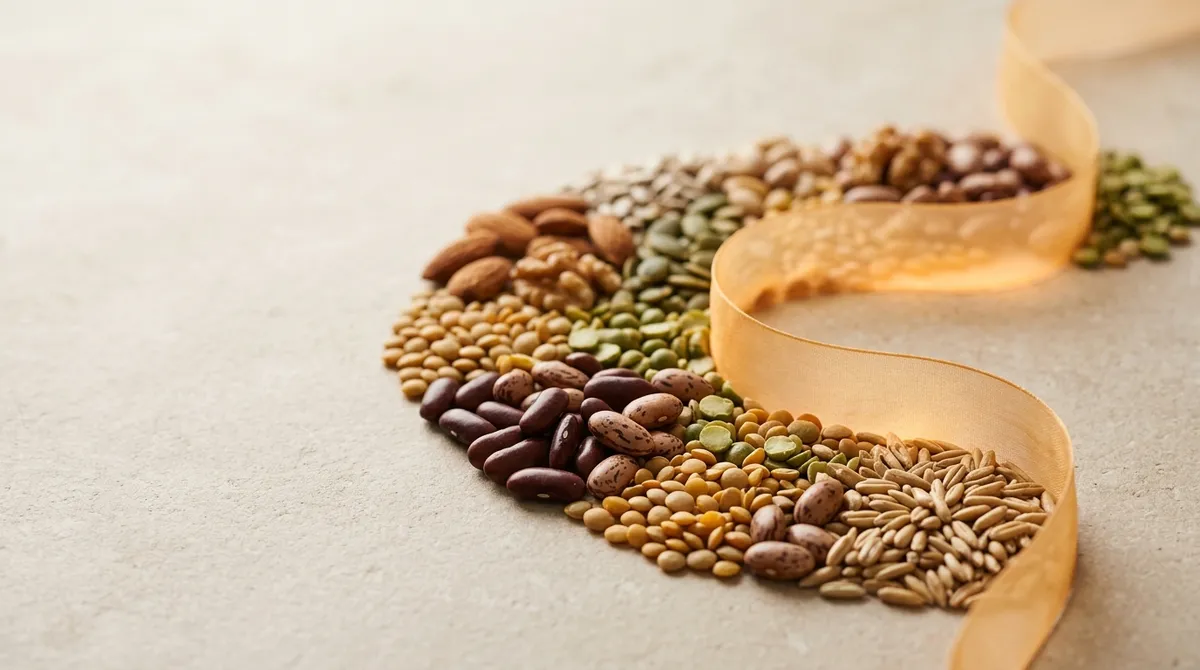
- Plant-Based Options: Incorporate legumes, lentils, quinoa, tofu, and tempeh for a healthy vegetarian or vegan diet. Be sure to pair plant proteins with whole grains to create complete proteins.
- Limit Processed Sources: Avoid over-reliance on processed meats, as they can be high in unhealthy fats and preservatives.
Meal Ideas to Meet Your Protein Goals
To help you incorporate protein throughout your day, here are some meal ideas:
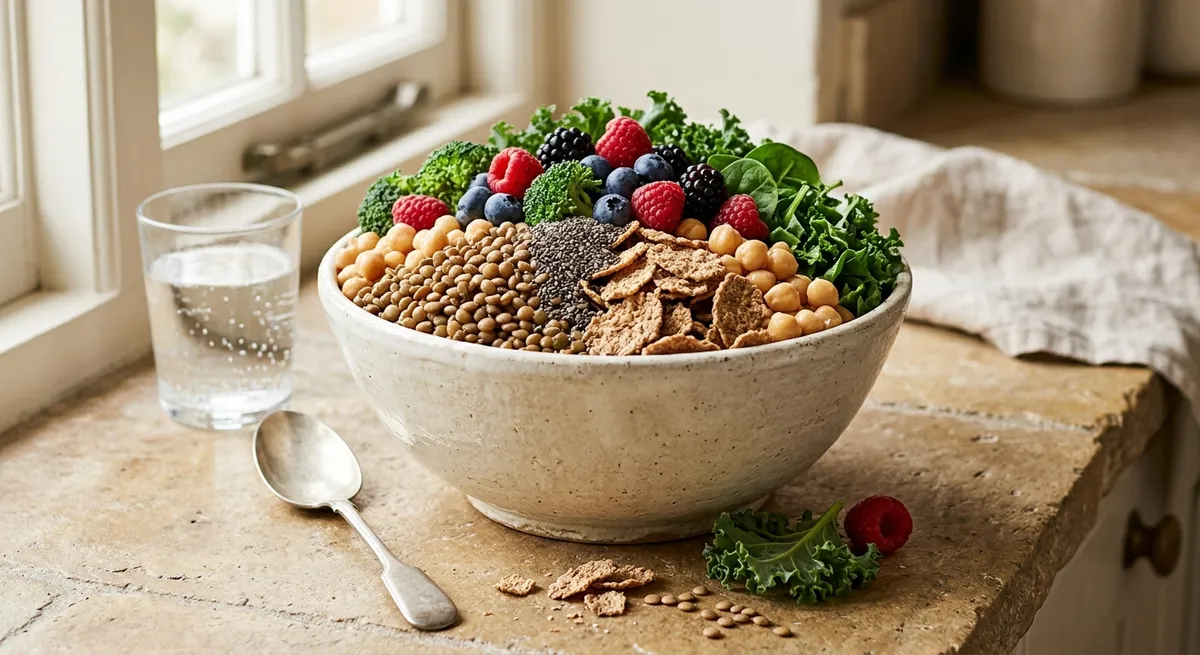
- Breakfast: Greek yogurt topped with berries and a sprinkle of chia seeds or an omelet loaded with vegetables.
- Lunch: Grilled chicken salad with a variety of colorful veggies and a quinoa base.
- Dinner: Baked salmon with sweet potatoes and steamed broccoli.
- Snacks: Hummus with carrot sticks or cottage cheese with pineapple.
The Takeaway
Adopting a personalized protein approach can significantly impact your overall health and longevity. Higher protein intakes, tailored to your personal needs and lifestyle, can support better muscle maintenance and metabolic function as you age. So calculate your protein needs, choose quality sources, and enjoy delicious meals that nourish your body and promote a longer, healthier life!