
From Anti-Nutrient to Gut Protector
Phytic acid, a compound naturally found in plant-based foods, may offer unexpected benefits for gut health according to new preclinical research. The study, published in Nature Communications, challenges the long-held view of phytic acid as merely an "anti-nutrient" that blocks mineral absorption.
Researchers discovered that phytic acid activates a protein called HDAC3, which strengthens the intestinal barrier and may help prevent "leaky gut" - a condition where the intestinal lining becomes more permeable than normal.
Plant Foods as Functional Medicine
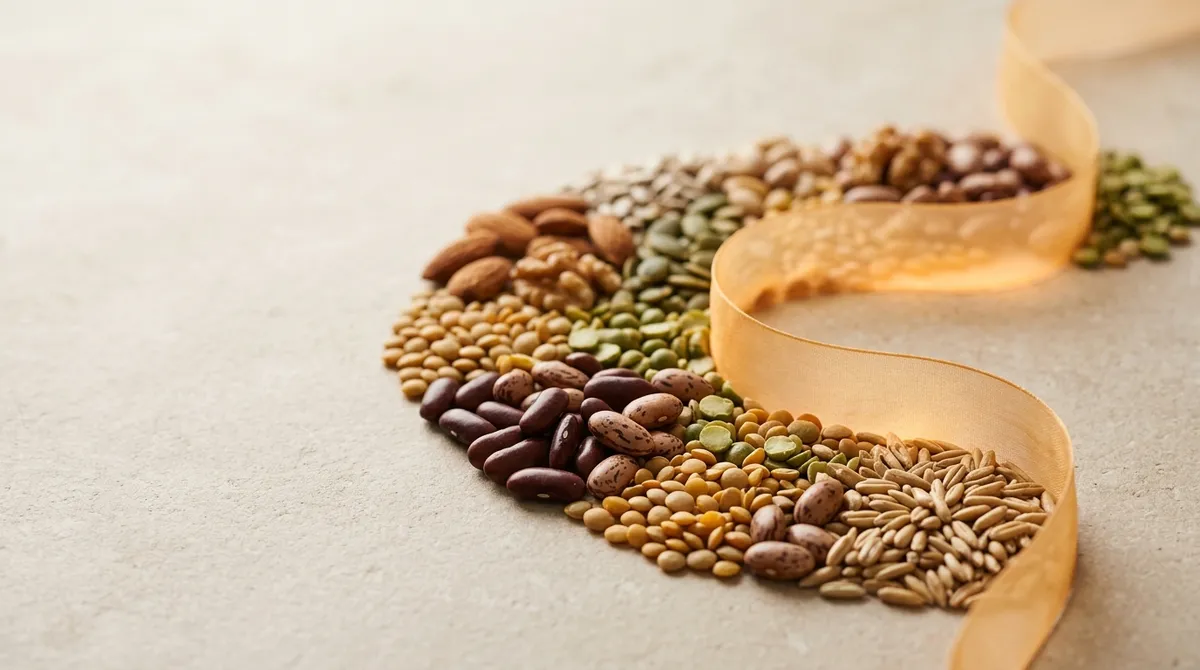
The compound is abundant in commonly consumed plant foods including beans, lentils, nuts, seeds, and whole grains. According to reports, this research reframes these everyday foods as potentially therapeutic, offering a science-backed perspective on plant-based diets at a time when gut health has become a mainstream wellness topic.
This discovery presents a nuanced view of phytic acid's role in nutrition. While the compound has been criticized for its ability to bind minerals and reduce their absorption, the new research suggests it may serve important protective functions in the digestive system.
The Science Behind Gut Barrier Protection
The study reveals how phytic acid works at the molecular level to support intestinal barrier function. By activating the HDAC3 protein, the compound appears to strengthen the tight junctions between intestinal cells, potentially reducing intestinal permeability.
This mechanism could be significant for understanding how plant foods contribute to digestive health beyond their fiber content and nutritional value. The research suggests that the protective effects occur through specific protein activation rather than general nutritional support.
Clinical Applications Still Under Investigation
While the findings are promising, researchers emphasize that human trials are still needed before making definitive health claims. The preclinical research was conducted in mouse models, and translating these results to human health requires additional study.
According to reports, the research suggests this mechanism could eventually lead to new therapeutic approaches for conditions like inflammatory bowel disease. However, the gap between laboratory findings and real-world dietary recommendations remains significant.
Beyond Simple Dietary Advice
The study raises important questions about whether simply eating more plant foods would replicate the therapeutic effects observed in the research. According to reports, future treatments may require targeted supplements rather than dietary changes alone to achieve the specific protein activation seen in the laboratory setting.
This distinction is crucial for health-conscious consumers seeking to apply research findings to their daily nutrition choices. While increasing plant food consumption offers numerous health benefits, the specific gut barrier effects may require more concentrated or targeted approaches.
Challenging Nutrition Oversimplification
The research exemplifies the complexity of nutritional science, where compounds previously viewed as problematic may serve important biological functions. This finding challenges oversimplified nutrition narratives that categorize food compounds as purely beneficial or harmful.
For wellness and nutrition audiences, this research highlights the importance of evidence-based approaches to diet and the need to consider the multifunctional nature of plant compounds. It suggests that our understanding of "anti-nutrients" may need updating as research reveals their potential protective roles.
Future Research Directions
The study opens new avenues for investigating how plant compounds support digestive health. Researchers will likely explore optimal dosages, delivery methods, and combinations of compounds that could maximize gut barrier protection.
As gut health continues to be a focus in wellness culture, this research provides a scientific foundation for understanding how plant-based foods may contribute to intestinal barrier function through mechanisms beyond traditional nutritional pathways.