TL;DR
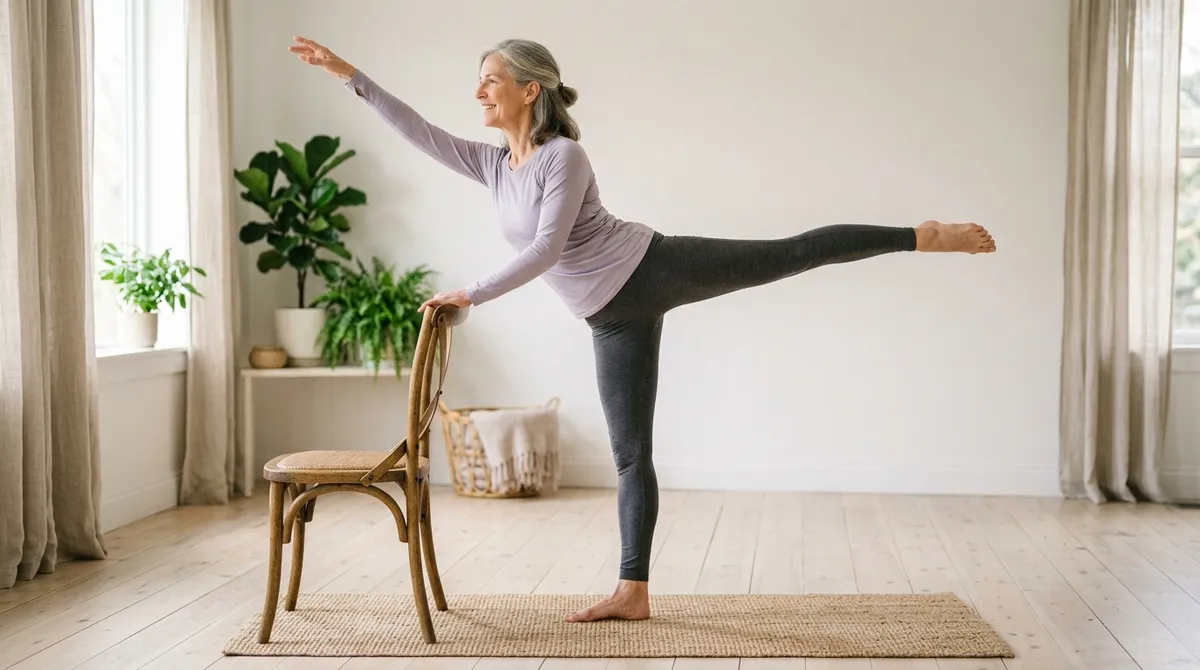
Balance training is crucial as we age, and the standing arabesque is a fantastic barre move to improve stability and coordination. Here’s how to perfect this exercise at home!
Introduction
As we gracefully age, our bodies require a little extra attention to maintain balance and stability. Just think about it—when was the last time you considered your balance? If you’re like many of us, it often takes a backseat to strength training and aerobic workouts. However, balance training is just as essential for healthy aging and falls prevention. This is where barre comes into play, combining elements of Pilates, yoga, and ballet to create a workout that’s not only effective but also gentle on the joints.
Why Balance Matters
With every passing year, our balance tends to decline due to various factors, including reduced muscle strength, decreased flexibility, and changes in proprioception (our body’s ability to sense its position in space). Incorporating balance exercises into your routine is a smart safeguard against falls, which are a leading cause of injury in older adults. By focusing on stability through moves like the standing arabesque, you can feel more confident in your body’s strength and agility.
The Standing Arabesque: Your Go-To Balance Move
The standing arabesque is a powerful, yet beginner-friendly exercise that can be done in the comfort of your home. Not only does it enhance balance, but it also improves core strength and coordination. Here’s how to do it:
Getting Started
- Stand Tall: Begin by standing tall with your feet hip-width apart. Engage your core by gently pulling your belly button towards your spine.
- Shift Your Weight: Transfer your weight to your left foot, lifting your right foot slightly off the ground behind you.
- Extend: Keeping your back straight, extend your right leg behind you while maintaining your balance on your left leg. Aim to lift your leg until it's parallel with the floor, but only go as high as you can without compromising form.
- Arms for Balance: Extend your arms out to the sides for support or keep them in line with your shoulders.
- Hold the Position: Try to hold this position for 10-30 seconds, breathing steadily.
- Repeat: Slowly return to standing, then switch to the other leg.
Modifications for Beginners
If balance feels challenging, don’t worry! Here are some modifications:
- Use a Support: Hold onto a wall, chair, or countertop to help support your balance as you kick your leg back.
- Lower the Leg: If raising your leg is tough, keep it closer to the ground and gradually work on elevating it as your strength improves.
- Take Your Time: Practice the arabesque at a pace that feels comfortable for you; there’s no rush!
Common Mistakes to Avoid
As with any exercise, it’s essential to prioritize proper form. Here are a few mistakes to avoid to maximize your arabesque:
- Hunching the Back: Keep your spine straight. Imagine a string pulling the top of your head upward.
- Locking the Knee: Always keep a slight bend in the standing leg's knee to avoid strain.
- Looking Down: Maintain your gaze forward—not only does this promote better balance, but it also helps trace a line of alignment through your body.
A Quick 5-Minute Barre Routine for Stability
Why not make a habit of this? Incorporate your standing arabesque into a quick 5-minute routine:
- Warm-up (1 minute): Gentle side bends and arm circles.
- Standing Arabesque (2 minutes total): 1 minute on each leg.
- Heel Raises (1 minute): Stand tall and raise your heels off the ground to strengthen your calves and improve stability.
- Side Leg Lifts (1 minute): Stand on one leg and lift the opposite leg out to the side to target the hips and outer thighs, promoting balance.
Conclusion
Incorporating balance exercises like the standing arabesque into your fitness routine is a wonderful way to support healthy aging. Not only will you feel more stable, but you’ll also boost your confidence as you navigate daily activities with grace. So grab your favorite chair or countertop, and let’s get to balancing!
Remember, it's never too late to start focusing on your balance. With a little practice, you’ll be on your way to a more stable and confident you. Happy exercising!