The Modern Flexibility Challenge
As sedentary routines, extended work calls, and screen-heavy lifestyles become increasingly common, tight hips, shoulders, and backs are affecting more people than ever. According to reports, this shift toward prolonged sitting and daily inactivity has created a growing need for accessible mobility solutions that don't require advanced fitness skills or gym memberships.
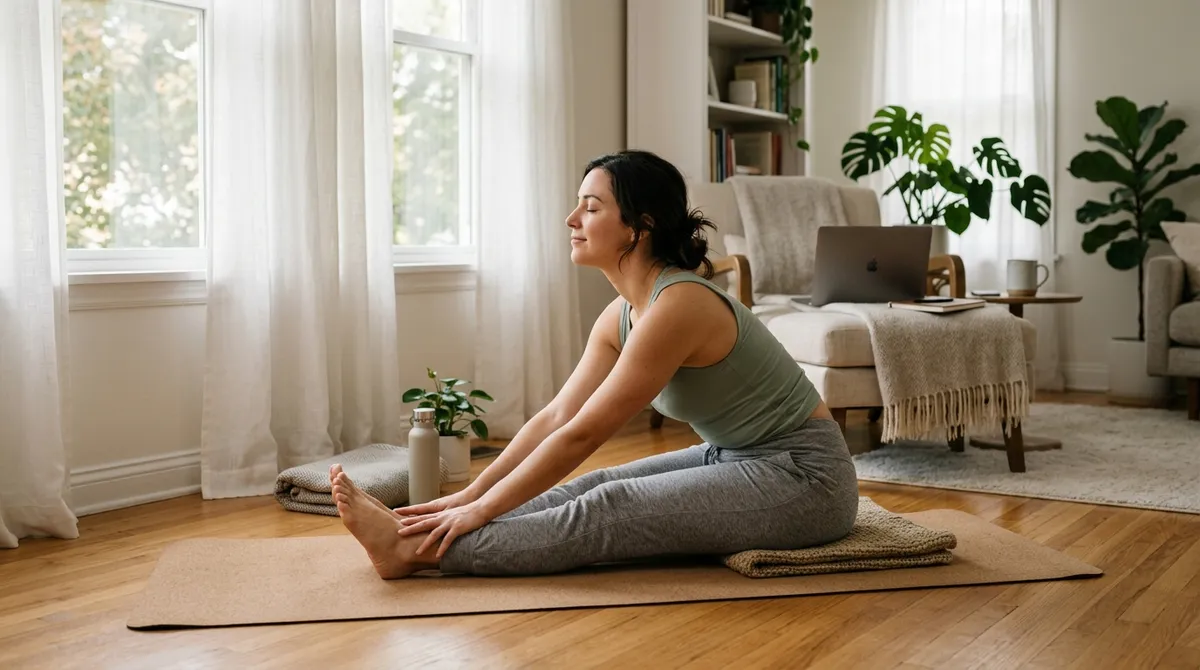
For beginners looking to address these issues, yoga offers a practical approach to improving flexibility, mobility, and posture from the comfort of home. Rather than focusing on impressive poses, experts emphasize that controlled movement and everyday ease should be the primary goals.
Five Essential Poses for Beginners
According to fitness professionals, five specific yoga poses can help beginners release stiffness and improve their daily movement:
Cat-Cow Pose
This gentle flowing movement helps mobilize the spine and can be particularly beneficial for those who spend long hours hunched over computers or devices.
Downward-Facing Dog
A foundational pose that stretches multiple muscle groups simultaneously, downward-facing dog can help address tightness in the shoulders, hamstrings, and calves.
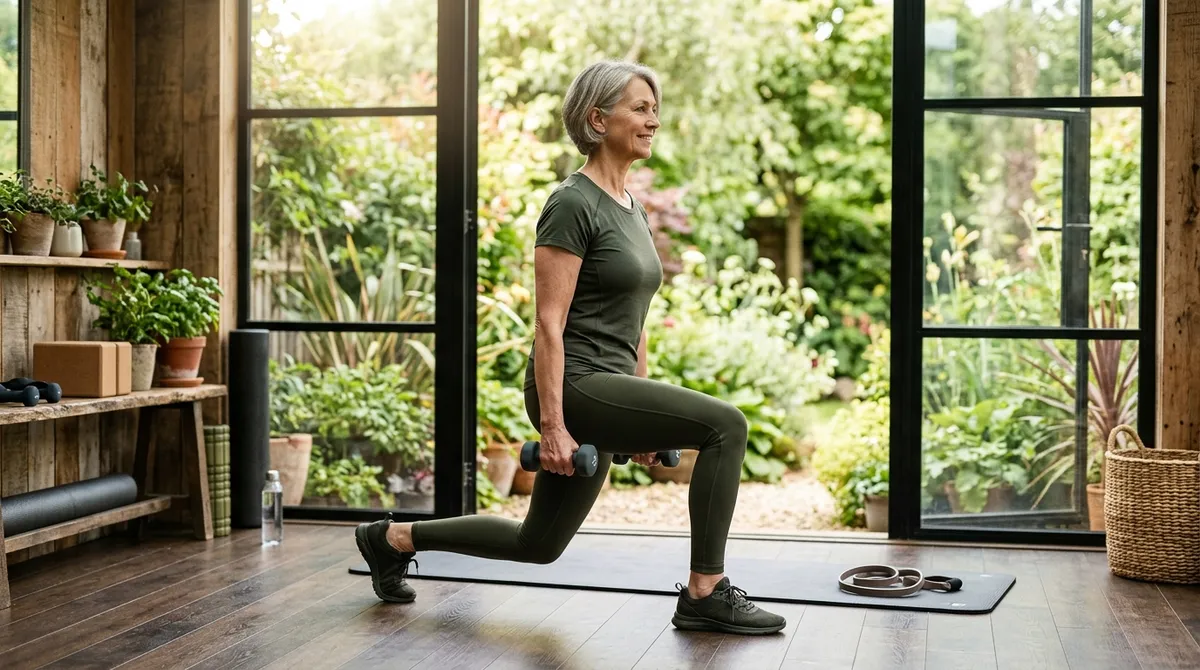
Low Lunge
This pose specifically targets hip flexors, which often become tight from prolonged sitting. The low lunge can help restore mobility to this commonly restricted area.
Cobra Pose
Designed to counteract forward head posture and rounded shoulders, cobra pose helps strengthen the back muscles while opening the chest.
Child's Pose
A restorative position that provides gentle stretching for the hips, thighs, and ankles while promoting relaxation and stress relief.
Reframing Flexibility Goals
Experts suggest that beginners should approach yoga with realistic expectations, focusing on controlled movement rather than extreme stretching. The goal isn't to achieve Instagram-worthy poses, but to make everyday activities feel easier and more comfortable.
This approach addresses common intimidation factors that prevent people from starting a yoga practice. By emphasizing accessibility over advanced techniques, beginners can build confidence while developing a sustainable routine.
The Home Practice Advantage
Practicing yoga at home offers several benefits for beginners. Without the pressure of keeping up with others in a class setting, newcomers can move at their own pace and focus on proper form rather than performance.
The convenience factor also cannot be understated. With no commute time or class schedules to coordinate, home practice removes common barriers to maintaining a consistent routine.
Why This Matters Now
The timing for accessible mobility content has never been more relevant. As work-from-home arrangements and digital lifestyles continue to shape daily routines, the physical consequences of prolonged inactivity are becoming more apparent.
Health-conscious consumers are increasingly seeking low-pressure wellness routines they can realistically incorporate into their lives. This shift represents a move away from intimidating fitness trends toward practical, sustainable approaches to physical well-being.
Building Your Practice
For those ready to begin, experts recommend starting with short sessions focusing on these five foundational poses. The key is consistency rather than duration – even a few minutes of daily practice can yield noticeable improvements in flexibility and comfort.
As mobility improves and confidence builds, practitioners can gradually extend their sessions or explore additional poses. The foundation provided by these beginner-friendly movements creates a solid base for future yoga exploration.
By addressing the modern challenges of sedentary lifestyles with accessible, home-based solutions, yoga offers a practical path toward improved physical comfort and overall well-being.