
The Winning Combination for Heart Health
A new comprehensive study has identified the most effective exercise approach for lowering blood pressure, offering hope for millions dealing with hypertension. According to research reviewing 31 studies, combining aerobic exercise with resistance training delivers the strongest results for blood pressure reduction.
The findings suggest that while individual exercise types provide benefits, the combination approach—incorporating aerobic exercise, resistance training, and high-intensity interval training (HIIT)—proves most effective for cardiovascular health.
Why This Research Matters
High blood pressure affects millions of people worldwide and often presents without obvious symptoms, earning it the nickname "silent killer." The condition significantly increases risks for heart attack and stroke, making prevention-focused strategies crucial for long-term health.
According to reports, the research provides people with a practical tool for using exercise as a heart-health strategy that extends beyond traditional approaches like medication or dietary changes alone.
How Exercise Impacts Blood Pressure
The study explains that these workout combinations help improve cardiovascular health through multiple mechanisms. Exercise enhances blood vessel function, improves heart efficiency, and helps lower resting blood pressure over time.
Aerobic activities like walking and cycling work to strengthen the heart muscle and improve circulation, while resistance training helps build overall cardiovascular resilience. HIIT provides additional benefits through short bursts of intense activity that challenge the cardiovascular system in unique ways.
Breaking Down the Exercise Types
Aerobic Exercise
Traditional cardio activities form the foundation of blood pressure-friendly fitness routines. Walking, cycling, swimming, and similar steady-state activities help train the heart to pump more efficiently while improving overall circulation.
Resistance Training
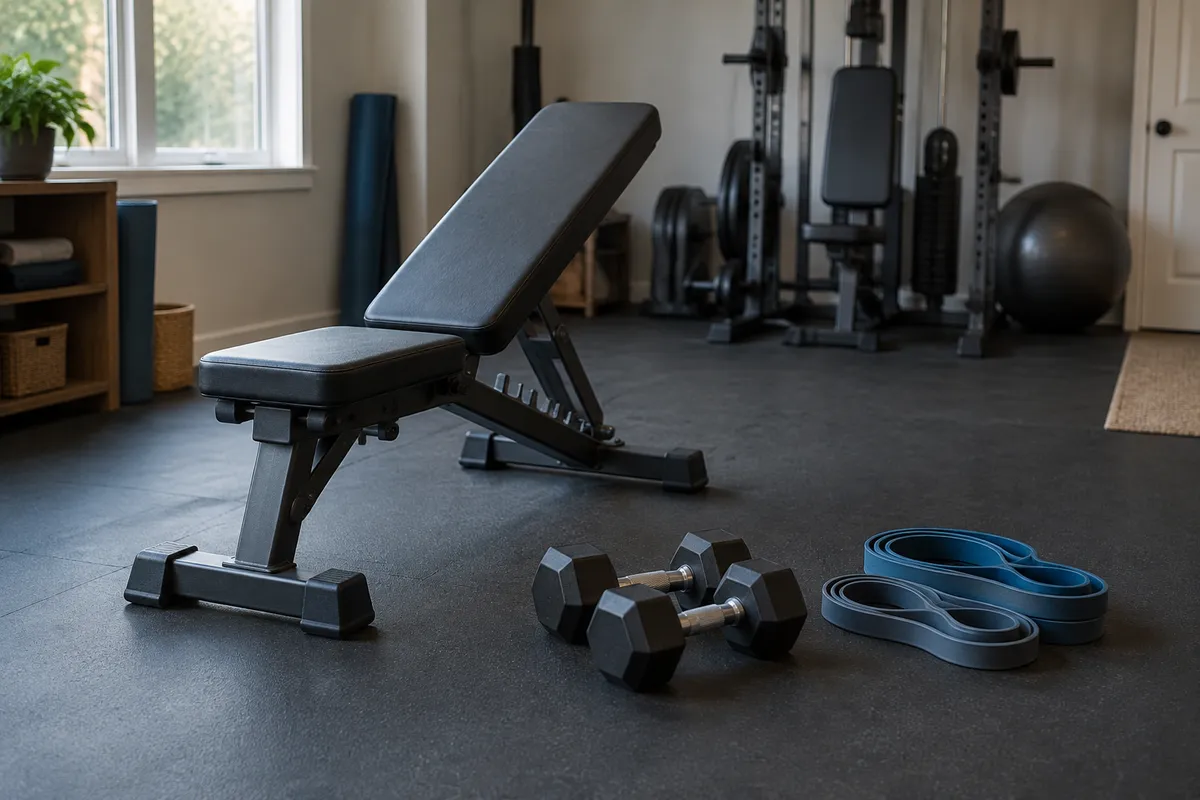
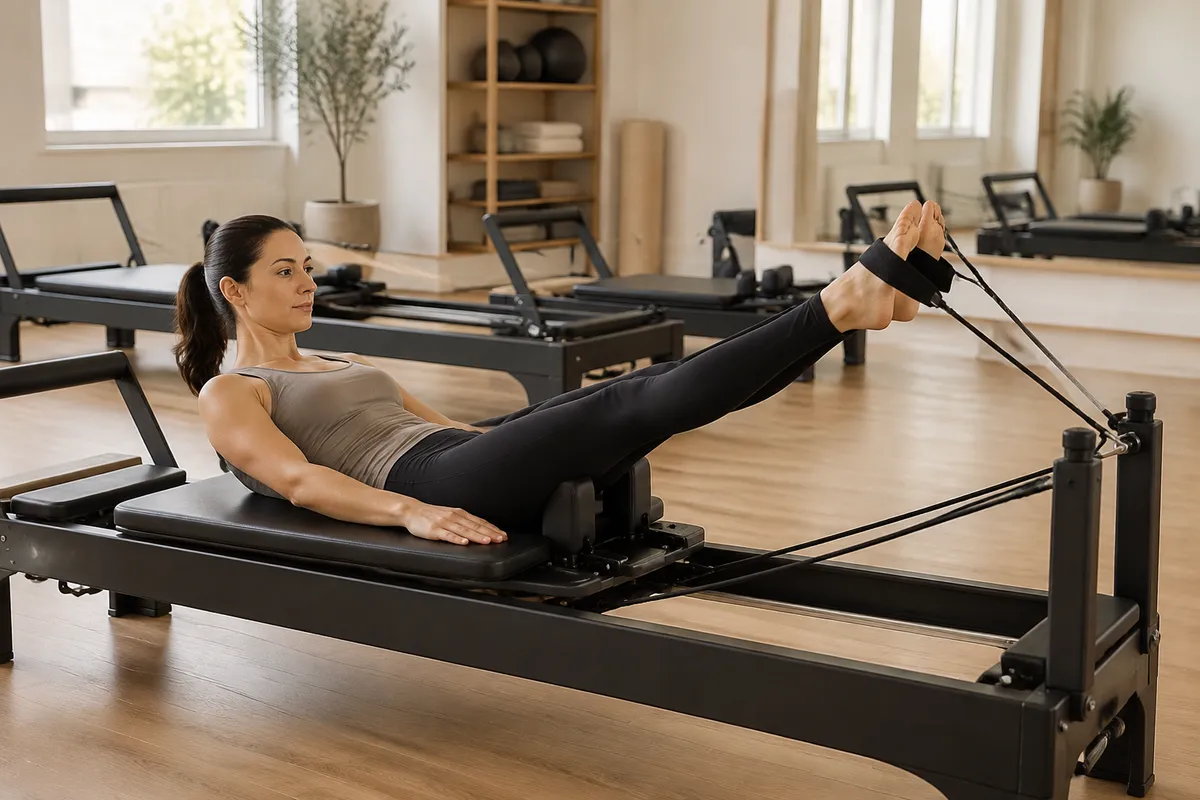
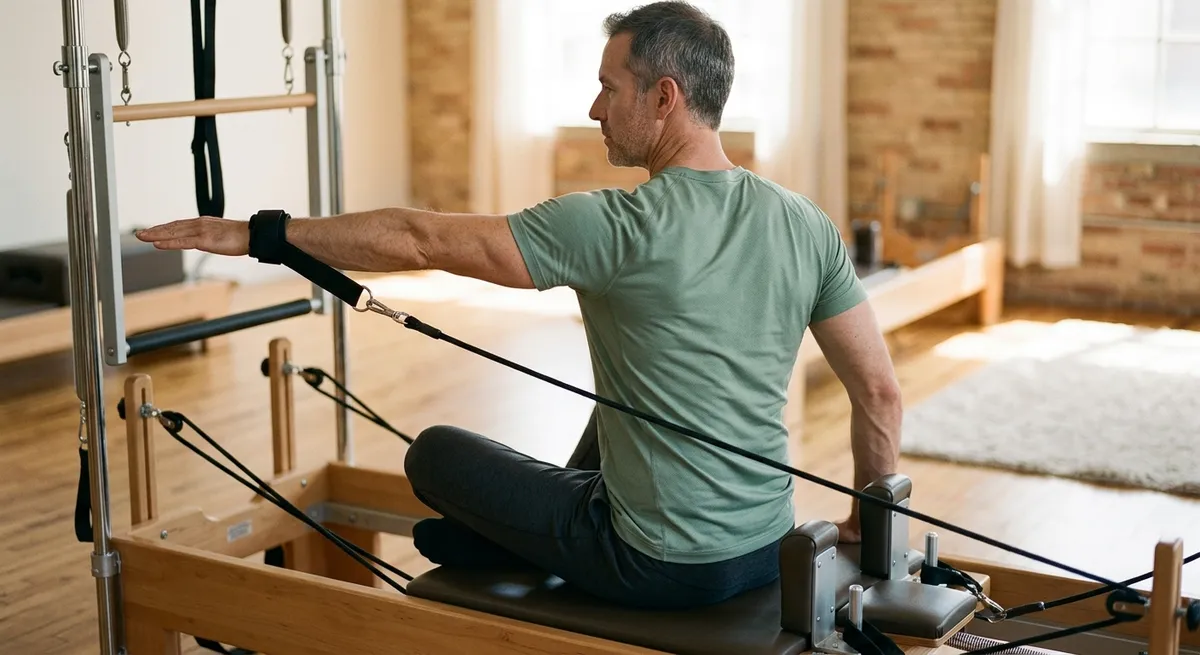
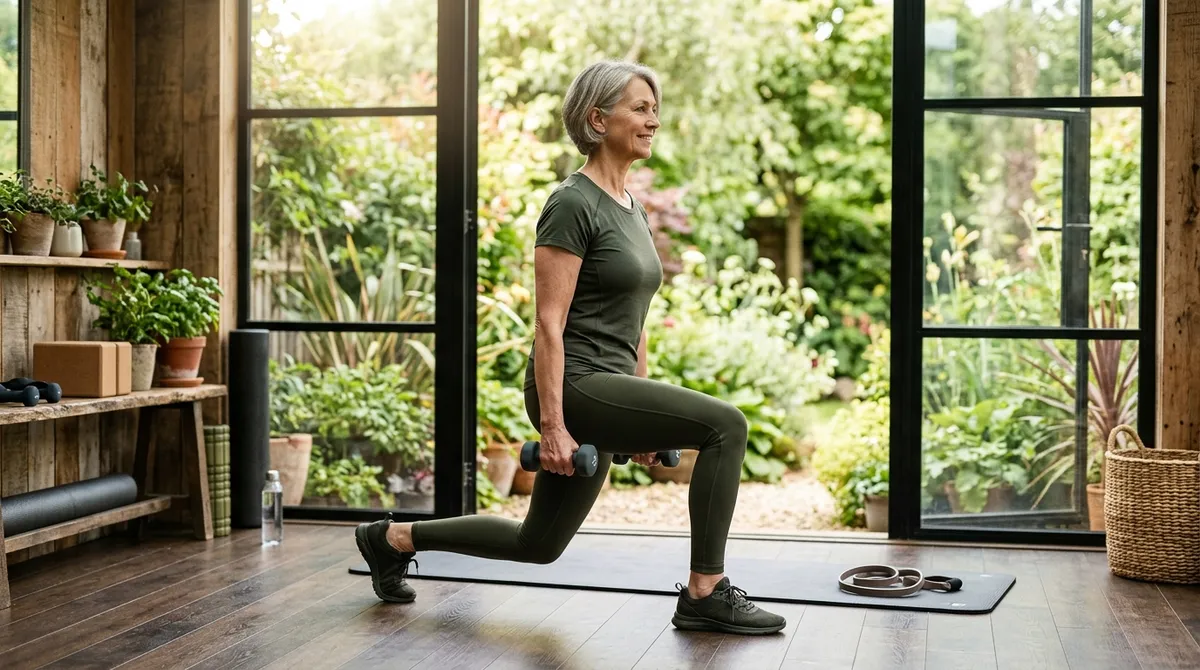
Strength training with weights, resistance bands, or bodyweight exercises complements aerobic work by building muscle mass and supporting metabolic health. The combination of aerobic and resistance training showed particularly strong results in the research.
High-Intensity Interval Training
HIIT involves alternating between short periods of intense activity and recovery. While optional in many routines, HIIT can provide additional cardiovascular benefits when incorporated safely into a comprehensive program.
Practical Implementation
The research suggests that the "best bang for your blood pressure" comes from routines that strategically combine these exercise types throughout the week. A practical approach might include regular walking or cycling sessions paired with strength training workouts.
For beginners, starting with basic aerobic activities and gradually adding resistance training elements can help build a sustainable routine. The key appears to be consistency rather than intensity, making this approach accessible to people at various fitness levels.
Beyond Traditional Approaches
This exercise-based strategy offers an additional tool in the fight against high blood pressure, complementing other lifestyle modifications and medical treatments. The research emphasizes exercise as a proactive approach that people can implement regardless of their current blood pressure status.
The findings are particularly relevant for working adults and health-conscious consumers who want evidence-based strategies for maintaining cardiovascular health. With high blood pressure often developing gradually and without symptoms, establishing effective exercise habits early can serve as a powerful preventive measure.
Moving Forward
The study's emphasis on combination training provides clear direction for anyone looking to optimize their exercise routine for heart health. Rather than focusing solely on one type of activity, the research supports a well-rounded approach that incorporates multiple exercise modalities throughout the week.
This evidence-based approach to exercise prescription offers hope for improving cardiovascular outcomes through accessible, practical fitness strategies that can be adapted to individual needs and preferences.