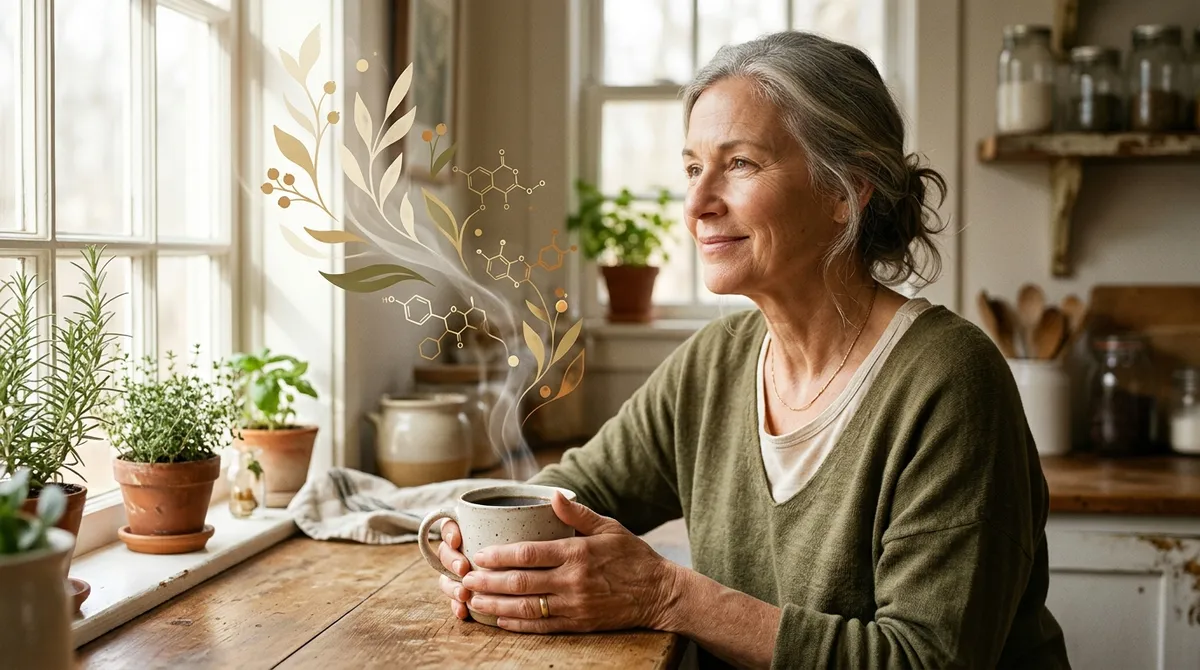
As the quest for longevity and healthy aging gains momentum, a recent study sheds light on the potential benefits of that beloved morning cup of coffee. While coffee is often celebrated for its caffeine kick, researchers have found that polyphenols—particularly caffeic acid—might play a significant role in promoting healthier aging by activating specific proteins in our bodies. Let's dive deeper into what this means for you and your health.
The Science Behind Coffee and Aging
According to the study reported by Medical News Today, the compounds found in coffee, especially polyphenols, activate a protein called NR4A1. This protein is associated with a range of health benefits, particularly in reducing inflammation and providing protection against stress and chronic diseases.
While the findings are promising, it's important to note that the research is primarily based on laboratory models. This means that while the mechanisms observed are intriguing, we don't yet have concrete evidence that drinking coffee will directly slow aging in humans. Nevertheless, these findings add a biological layer to coffee's long-touted health benefits, reinforcing conversations around how our daily habits can influence our lifespan and healthspan.
Polyphenols vs. Caffeine: What’s More Important?
When discussing coffee's impact on aging, it's essential to highlight the role of polyphenols over caffeine. Polyphenols are powerful antioxidants that help combat oxidative stress and inflammation, which are both critical factors in chronic disease and age-related decline.
Caffeine, while it may energize us temporarily, is not the primary compound linked to the protective effects against aging. This study emphasizes that the long-term health benefits of coffee are more closely related to its non-caffeine components, especially those polyphenols.
So, if you're enjoying your cup of joe for its taste and caffeine boost, you might want to appreciate it even more knowing that those natural compounds are working behind the scenes to support your body as you age.
The Difference Between Lifespan and Healthspan
As you explore the implications of coffee on aging, it's crucial to understand the distinction between lifespan and healthspan. Lifespan refers to the amount of time you live, while healthspan denotes the period you live in good health, free from chronic diseases and disabilities.
This study points towards a potential pathway for enhancing healthspan through dietary choices, such as incorporating coffee into your routine. Even if coffee cannot outright extend your lifespan, a healthier healthspan can significantly improve your overall quality of life as you age.
Not a Coffee Drinker? Other Options Exist
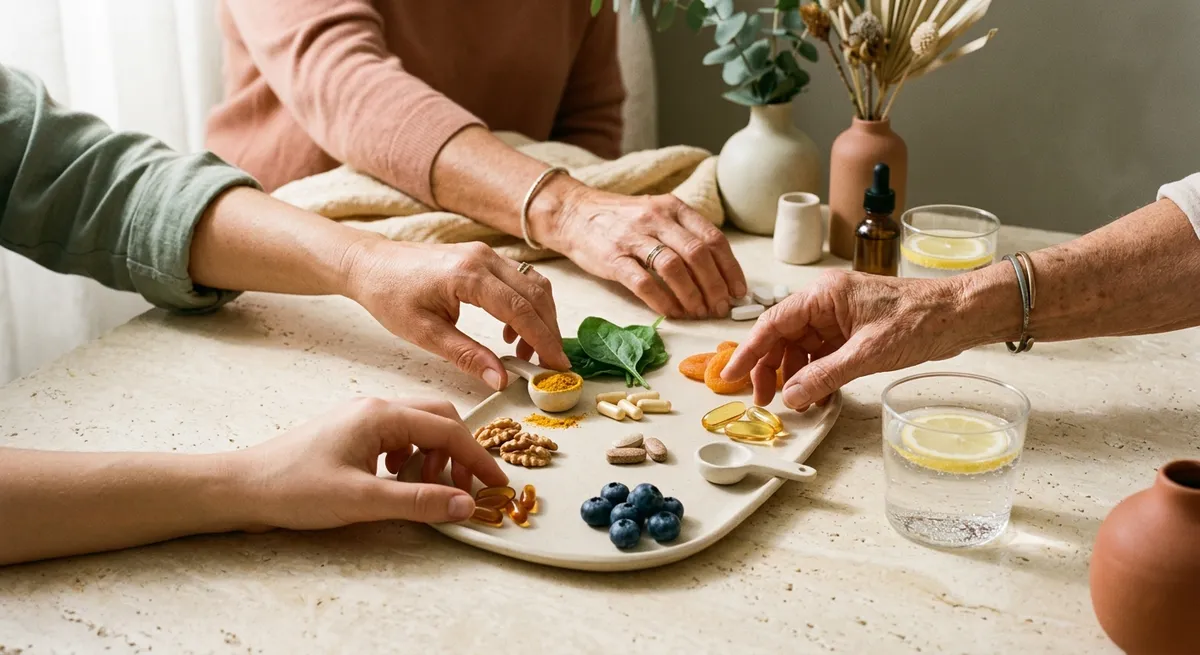
If you're not a fan of coffee or simply can't tolerate it, don't worry—there are plenty of other sources of polyphenols to consider. Foods rich in these compounds include:
- Berries (blueberries, strawberries, and blackberries)
- Dark chocolate and cocoa
- Green and black tea
- Apples and pears
- Red, black, and purple grapes
These options provide a variety of flavors and health benefits, enriching your diet while potentially promoting healthier aging.
Practical Tips for Healthy Aging
Regardless of your coffee consumption, focusing on a holistic approach to healthy aging is essential. Here are some practical habits to integrate into your daily routine:
- Stay Active: Regular physical activity can boost your mood and enhance your overall health.
- Eat a Balanced Diet: Incorporate a variety of fruits, vegetables, whole grains, and lean proteins into your meals.
- Manage Stress: Incorporate stress-reducing techniques like yoga or mindfulness meditation into your routine.
- Get Adequate Rest: Prioritize quality sleep to support your body's recovery and maintenance processes.
The Bottom Line
While the study on coffee and healthy aging is still in its early stages, it highlights the potential benefits of polyphenols in our diets. If you enjoy coffee, relish it not just as a simple beverage, but as a source of compounds that might help protect your body against age-related decline. Regardless of your beverage preferences, adopting a variety of healthy habits can effectively contribute to a longer, healthier life.
Coffee drinking is just one part of the broader picture that promotes healthy aging. Remember to listen to your body and make choices that support your unique journey toward wellness.