
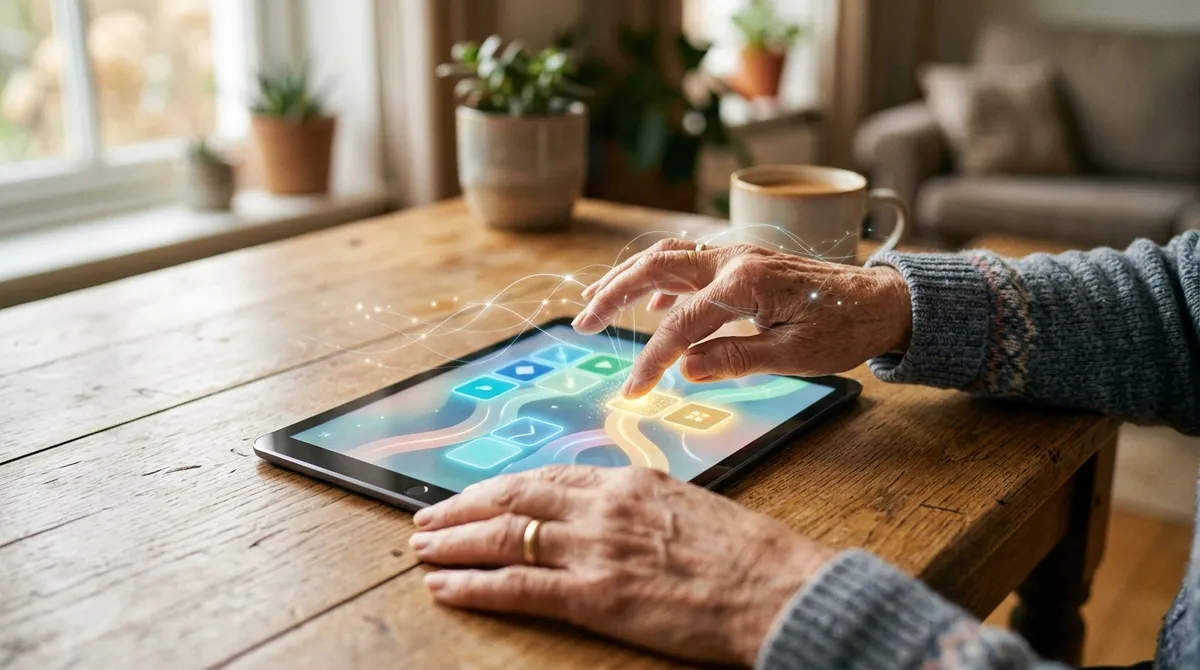
As life expectancy for people with HIV increases, so do the challenges associated with aging. An insightful study by researchers at Northeastern University has illuminated a novel approach to cognitive care for this demographic: video games. By testing a custom-built video game aimed at enhancing cognitive training for working memory, the researchers reveal that older adults living with HIV exhibit distinct learning patterns compared to their peers without the virus. This finding prompts a significant shift from the traditional, one-size-fits-all methods of cognitive care to a more personalized approach, tailored specifically for individual conditions and cognitive profiles.
Understanding the Cognitive Landscape of Aging with HIV
One of the primary focuses of the Northeastern study was to understand how aging with HIV alters cognitive capabilities, particularly memory. Participants in the study engaged with the specially designed video game, which tested their working memory and cognitive resilience. The results indicated noticeable differences in the ways older adults with HIV processed information, highlighting the need for more individualized cognitive training interventions.
HIV-associated neurocognitive disorders are increasingly becoming a pressing issue as the population ages. Understanding the unique cognitive profiles of those affected by HIV allows healthcare providers to design more effective and targeted therapies, improving both memory and overall quality of life.
Why Video Games?
Video games may initially seem like a distraction or a leisure activity, but they have opened new doors in cognitive health research. Unlike traditional cognitive exercises that can often be monotonous and disengaging, video games can provide an immersive experience that encourages active learning and engagement.
The study’s findings suggest that gamified approaches can offer tailored assistance to underserved groups, such as aging adults living with HIV. By utilizing video games, cognitive training can become an engaging process that adapts to each user's individual learning curve and cognitive capabilities.
The Personalization Promise
The shift away from standard cognitive care practices is crucial. Older adults with HIV face unique challenges that can affect their cognitive health, and the findings from Northeastern underscore that cognitive care should be as varied as the individuals it serves. Personalized interventions, like those offered through video games, could provide the necessary flexibility and adaptation needed to address different cognitive profiles.
One potential benefit is that these video game-based platforms can dynamically adjust their difficulty settings, learning patterns, and feedback mechanisms based on the user's performance. This adaptability enhances the training experience, potentially yielding better outcomes compared to static traditional exercises.
The Future of Cognitive Health Interventions
As digital therapeutics become more recognized as a viable component of healthcare, studies like this one pave the way for new methods of cognitive treatment. The utilization of video games for brain health signifies a shift in how we can approach not just cognitive training, but also mental health in general.
Incorporating video games in cognitive care for older adults, especially those with conditions like HIV, may represent a more inclusive and effective path forward. Going beyond mere entertainment, these tools can play a pivotal role in understanding and enhancing cognitive function during the aging process.
Conclusion: Embracing Digital Health Solutions
The Northeastern University study presents an exciting opportunity to rethink cognitive care strategies for vulnerable populations. By embracing individualized, game-based approaches to cognitive training, we can better meet the needs of aging adults with HIV and other health conditions. This vital research underscores the importance of prioritizing tailored interventions that acknowledge the distinct cognitive challenges faced by different groups.
For health-conscious consumers and advocates for healthy aging, it is exciting to consider how interactive technologies can enhance the efficacy of care and improve the quality of life for those who need it most.