The Rise of Reformer Pilates and the Accessibility Challenge
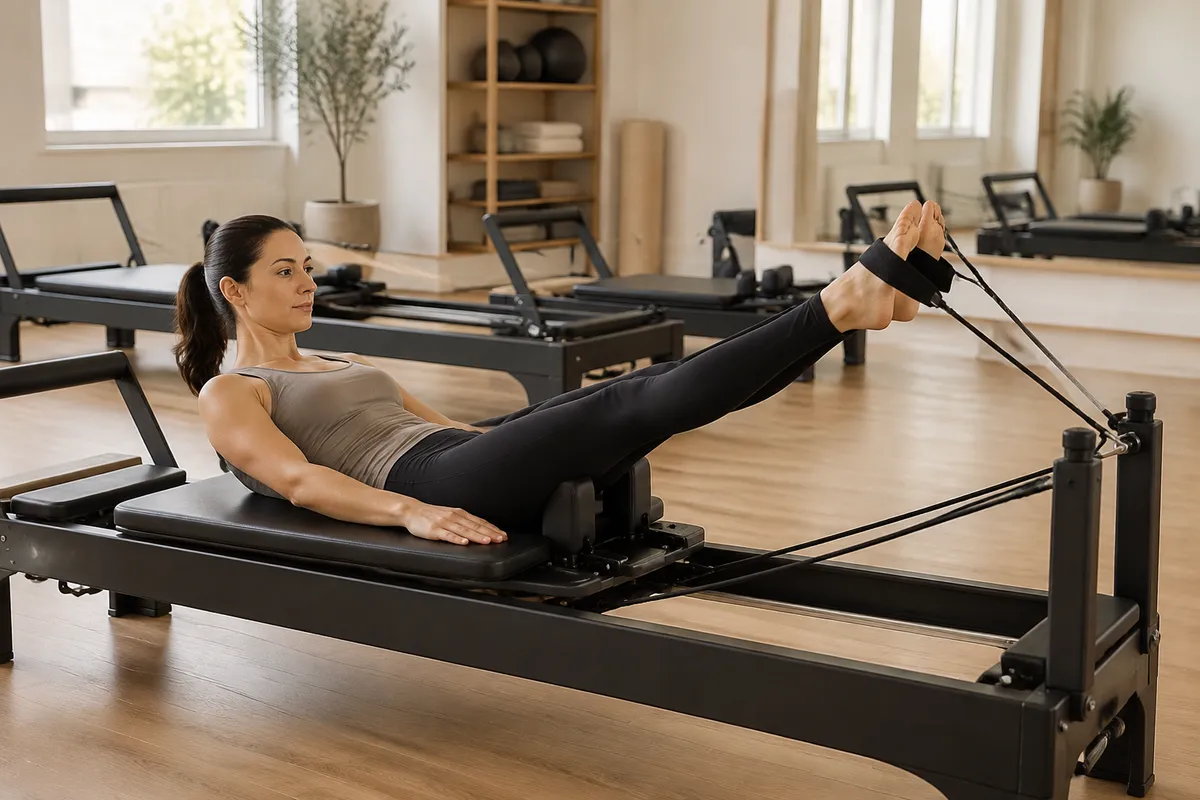
Reformer Pilates has experienced a significant boom in popularity, but the reality of studio classes and at-home machines presents a barrier for many fitness enthusiasts. According to reports, these options can be both expensive and inaccessible, leaving many people unable to experience the benefits of this effective workout method.
Certified Pilates instructor Brittni Johnson has addressed this challenge by developing a solution that brings reformer-style workouts to your living room using basic household items and affordable equipment.
Essential Equipment for Home Reformer-Style Workouts
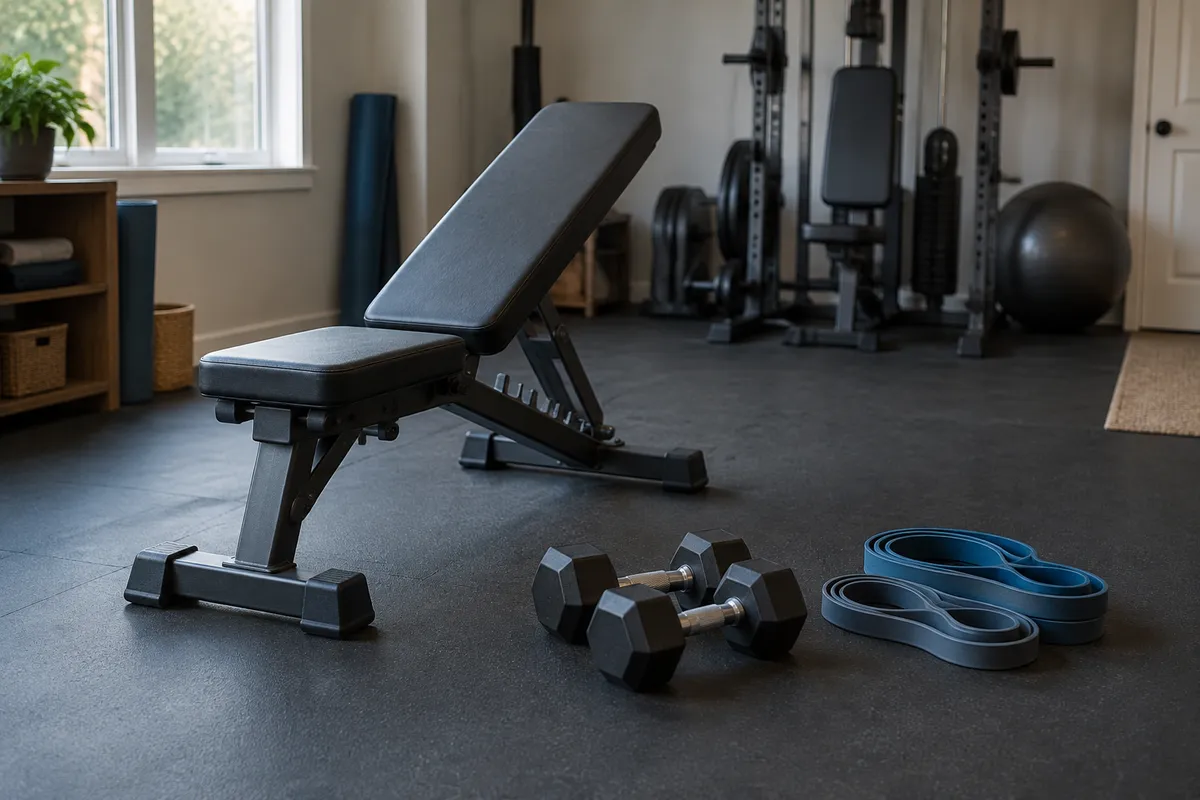
The beauty of Johnson's approach lies in its simplicity. Rather than requiring expensive machinery, her method utilizes:
- Sliders (or towels and paper plates as substitutes)
- Resistance bands
- Basic household items
These accessible alternatives allow practitioners to recreate the resistance, control, and muscle activation that define reformer Pilates workouts.
Three Core Moves for Reformer-Style Training
Johnson has designed three specific movements that mimic the essential elements of reformer Pilates training:
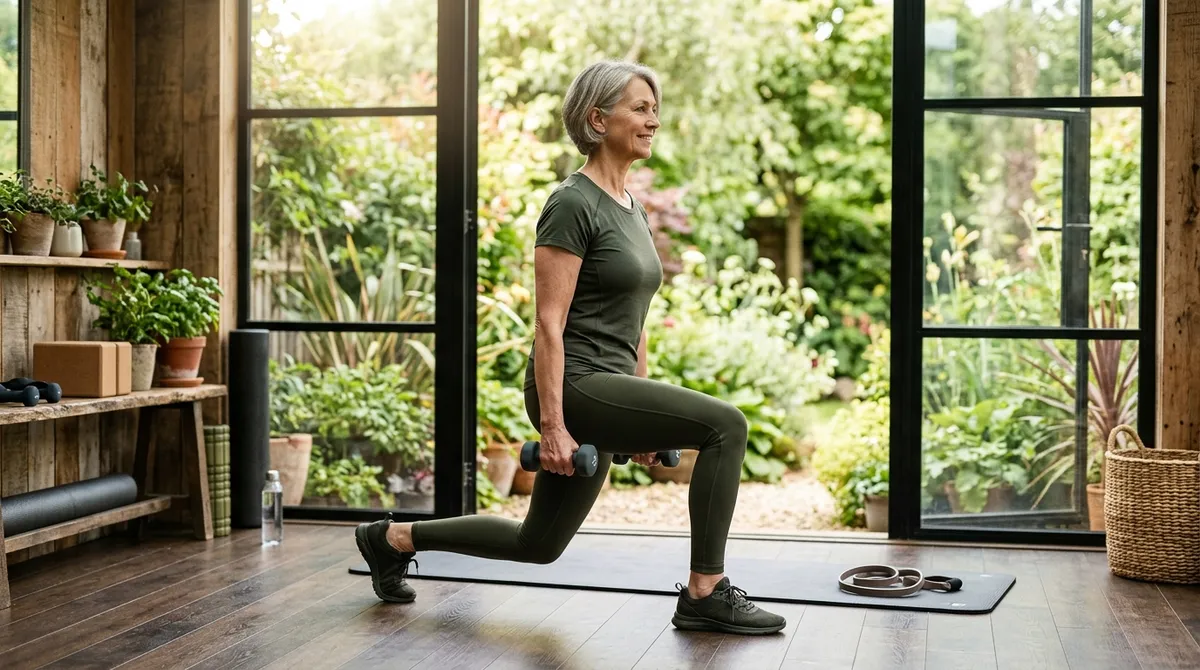
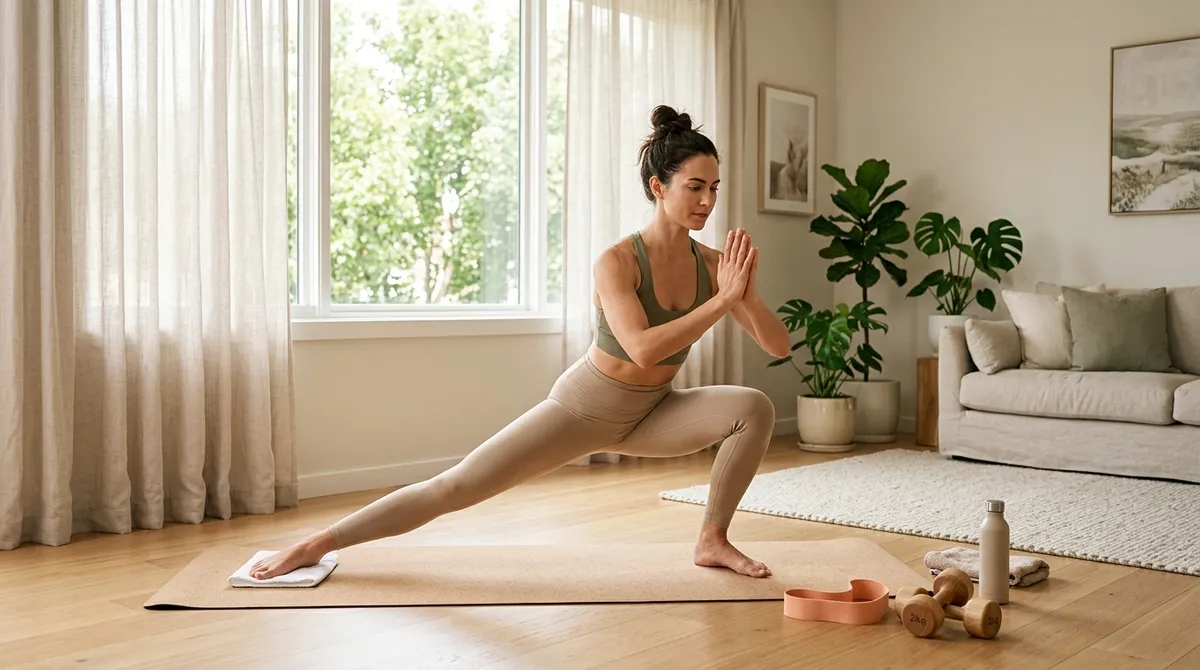
Sliding Reverse Lunge
This movement utilizes sliders to create the controlled, challenging motion characteristic of reformer exercises. The sliding element adds instability and requires greater core engagement, similar to the moving carriage of a reformer machine.
Banded Row
Using resistance bands, this exercise targets the upper body while maintaining the controlled, flowing movements central to Pilates methodology. The band provides variable resistance that mimics the spring system of traditional reformer equipment.
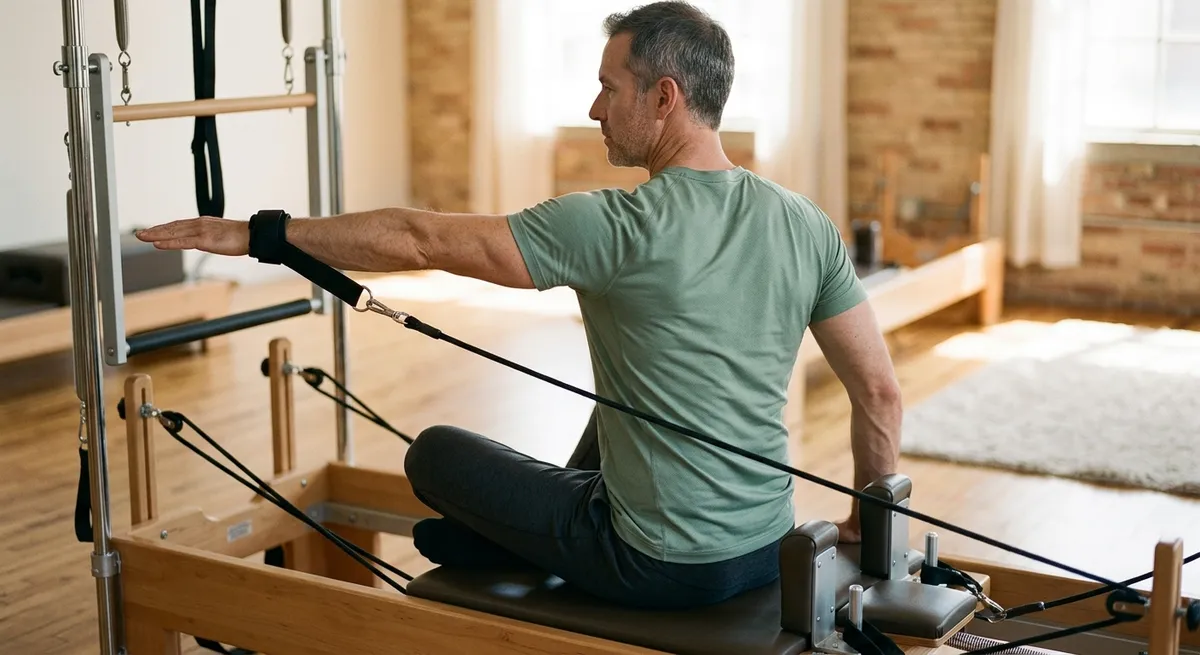
Banded Twist
This rotational movement incorporates resistance bands to challenge core stability and strength, recreating the multi-directional challenges of reformer workouts.
Why This Approach Matters for Home Fitness
The growing demand for low-cost, space-saving workouts that still deliver premium results has made this type of innovation increasingly valuable. Johnson's method addresses several key concerns:
Cost Effectiveness: Traditional reformer classes and equipment represent a significant financial investment. This home-based approach dramatically reduces costs while maintaining workout quality.
Space Efficiency: Home reformer machines require dedicated space and storage. The equipment used in Johnson's method can be easily stored and used in small spaces.
Accessibility: Geographic location and schedule constraints often limit access to reformer studios. Home workouts eliminate these barriers.
The Science Behind Equipment Substitutions
The effectiveness of these substitutions lies in their ability to recreate the fundamental principles of reformer Pilates. The sliding movements challenge stability and control, while resistance bands provide the variable resistance that makes reformer workouts so effective.
Sliders, whether purchased equipment or improvised alternatives like towels on hardwood floors, create the unstable surface that forces deeper muscle engagement. This instability mimics the moving carriage of a reformer, requiring practitioners to maintain control throughout each movement.
Resistance bands offer adjustable tension that can be modified throughout exercises, similar to the spring-based resistance system of reformer machines. This variable resistance allows for progressive overload and accommodates different fitness levels.
Form and Safety Considerations
While these home alternatives make reformer-style workouts accessible, proper form remains crucial for effectiveness and injury prevention. The controlled, precise movements that define Pilates require attention to alignment and breathing, regardless of equipment used.
Practitioners should focus on quality over quantity, emphasizing the mind-body connection that makes Pilates unique. The slower, more controlled movements characteristic of reformer work should be maintained even when using alternative equipment.
The Future of Accessible Fitness
Johnson's approach represents a broader trend in the fitness industry toward making effective workouts more accessible. As premium fitness methods like reformer Pilates gain popularity, creative adaptations that maintain the core benefits while reducing barriers to entry become increasingly valuable.
This innovation demonstrates that the fundamental principles of effective exercise—control, resistance, and progressive challenge—can be achieved through various means, making quality fitness accessible to a broader audience regardless of budget or location constraints.