Why Sound Therapy is Gaining Popularity
In recent years, sound therapy and vibrational healing have started to break into the mainstream. Once considered alternative wellness practices, tools such as singing bowls and tuning forks are now being studied for their potential to improve stress management, sleep quality, and even chronic pain relief. This shift reflects a broader trend where individuals increasingly seek natural and non-pharmaceutical methods to support their mental health and wellbeing.
What is Sound Therapy?
At its core, sound therapy involves the use of specific sounds or vibrations to promote healing and relaxation. This can include techniques such as:
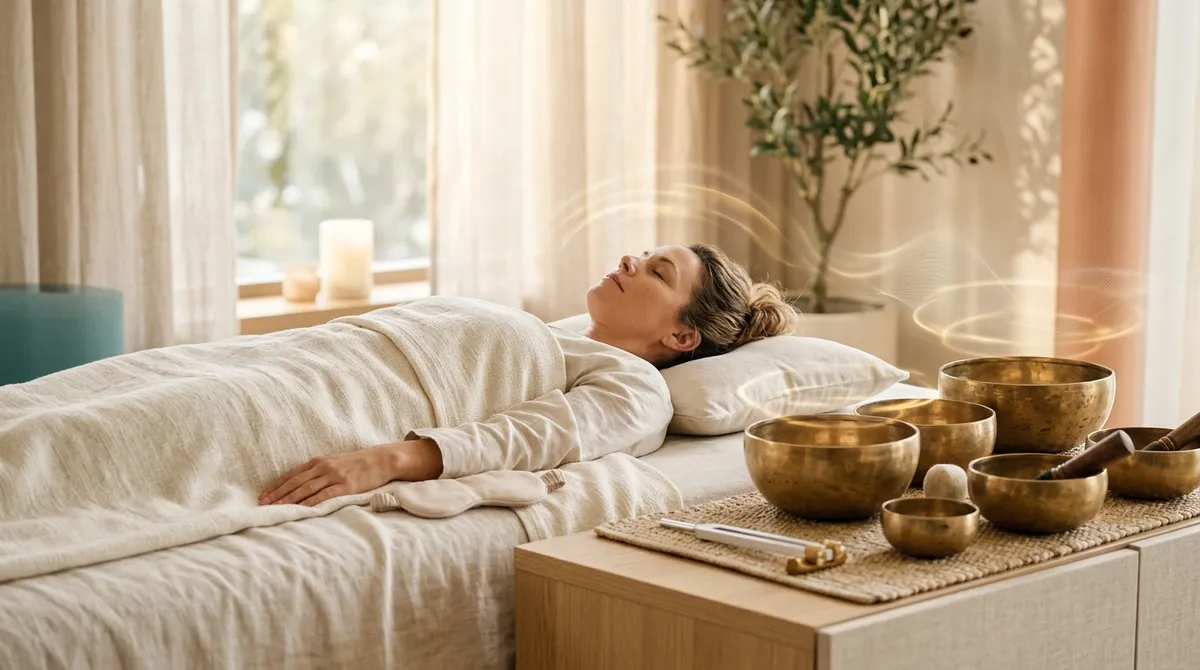
- Sound baths – Immersive experiences using a variety of instruments that create sound waves designed to induce relaxation.
- Tuning forks – Instruments that produce specific frequencies when struck, often used to stimulate the body's energy or chakra points.
- Vibrational healing – Techniques that explore how sound waves affect the human body and mind, aiming to help in stress reduction and pain management.
These therapies are rooted in ancient practices but are now being validated by modern science.
The Science Behind Sound Therapy
Growing research suggests that sound therapy can have genuine benefits for stress management and sleep. Studies indicate that certain sound frequencies may:
- Lower cortisol levels – Reducing the stress hormone can have profound effects on overall wellbeing.
- Enhance relaxation and focus – Different types of music and sounds can promote calming responses in the brain, leading to better stress management.
- Aid in sleep quality – Specific sounds, such as gentle melodies or white noise, help in falling asleep faster and improving the overall quality of sleep.
By examining these sound-based therapies through a scientific lens, we can better appreciate their potential impact. They provide an accessible, self-care option for managing the stress and sleep challenges of modern life.
Practical Ways to Incorporate Sound Therapy at Home
If you’re interested in trying sound therapy for yourself, there are simple ways to get started at home. Here are a few approaches you can incorporate into your routine:
1. Sound Baths at Home
You don't need to attend a formal class to experience the benefits of sound baths. You can create your own by listening to recordings of sound baths available online. Find a quiet space, lay down, and let the sound wash over you. Focus on your breathing, and let go of stress.
2. Use Tuning Forks
Acquiring a set of tuning forks can provide an at-home tool for vibrational healing. Follow simple online tutorials that teach you to strike the forks and hold them near areas of discomfort or in specific energy centers of the body, allowing the vibrations to promote relaxation.
3. Incorporate Music for Sleep
Create a sleep playlist with soothing music or nature sounds. Use this as part of your bedtime routine, listening to calming tracks for about 30 minutes before sleeping to help signal your body that it’s time to unwind.
4. Practice Mindfulness with Sound
Combine sound therapy with mindfulness practices. Sit quietly with calming music in the background, allowing yourself to focus on both the sounds and your breathing, promoting a state of relaxation and presence.
Conclusion
As the popularity of sound therapy and vibrational healing grows, embracing these practices can offer you beneficial tools for managing stress and enhancing your sleep quality. By integrating sound therapy into your daily life, you’re not only tapping into ancient wisdom but also embracing modern techniques for better health. Explore ways to make sound therapy a part of your self-care routine and enjoy the holistic benefits it can provide.