In light of increasing concerns about food supply disruptions due to cyberattacks, power outages, disease outbreaks, or extreme weather, it's essential to prepare an emergency pantry that is nutritious and balanced rather than just stocked with nonperishable items. UK officials have indicated that many households are underprepared for these potential shocks. To address this, here’s a comprehensive shopping list that focuses on creating a healthy two-week emergency food stockpile.
Why a Nutritious Pantry Matters
A well-stocked emergency pantry can ensure you and your family have access to essential nutrients when you need them the most. When building your pantry, aim for a balance of proteins, whole grains, vitamins, and necessary supplies. Let’s break down what you need.
Essential Proteins
Include a variety of protein sources to maintain energy levels and support muscle health:
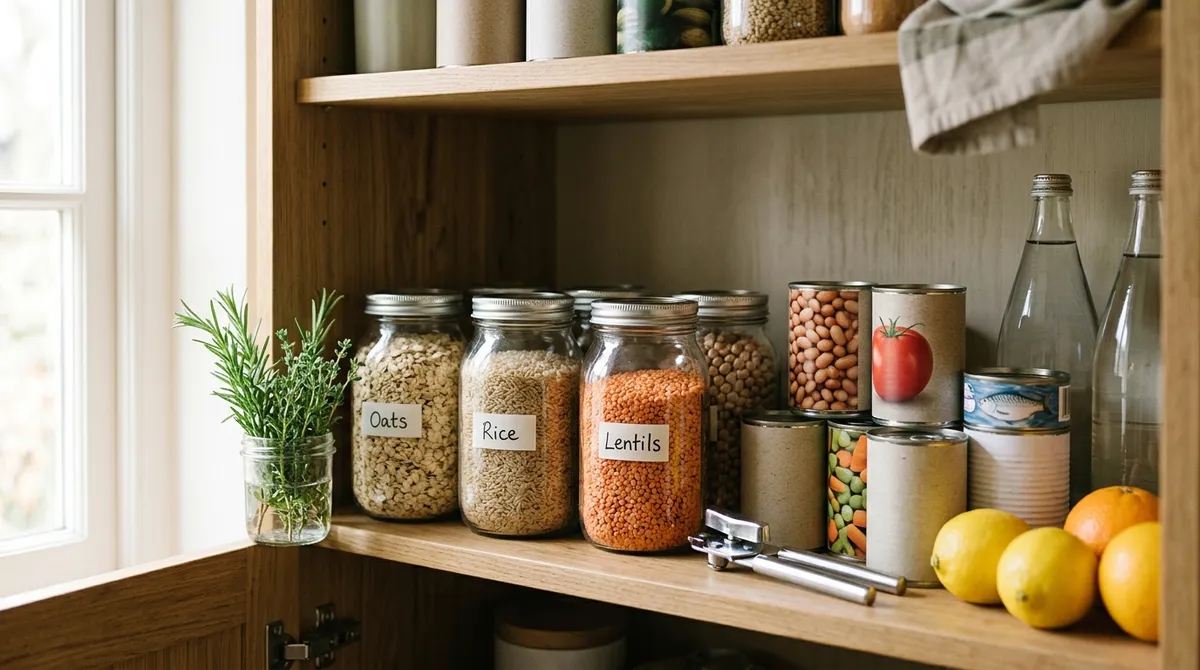
- Canned Beans (e.g., black beans, chickpeas): They are rich in protein and fiber. Aim for 4-6 cans.
- Canned Fish (e.g., tuna, salmon): Choose at least 2-4 cans. Rich in omega-3 fatty acids, they are excellent for heart health.
- Nut Butters (e.g., peanut, almond): A great source of protein and can satisfy hunger. Stock up on 1-2 jars.
- Ready-to-Eat Meals (e.g., military MREs or freeze-dried options): These can be convenient during emergencies. Consider purchasing a few for easy meals.
Whole-Grain Carbohydrates
Whole grains provide lasting energy and essential nutrients:
- Brown Rice or Quinoa: Store 2-3 bags, as they have a long shelf life and are nutritious.
- Whole Wheat Pasta: Buy 2-3 packages to create filling meals.
- Oats: A versatile breakfast option; a large container can serve multiple purposes.
- Whole-Grain Crackers: These are great for snacking and are easy to store.
Canned Vegetables & Fruits
Canned vegetables and fruits ensure you still consume vital nutrients:
- Canned Vegetables (e.g., corn, green beans, tomatoes): Aim for 6-8 cans for a variety of colors and nutrients.
- Canned Fruits (in juice, not syrup): Purchase 4-6 cans for natural sweetness and vitamins.
Vitamins and Supplements
Don't overlook the importance of dietary supplements:
- Multivitamins: A good multivitamin can help cover nutritional gaps during emergencies.
- Electrolyte Powder: Helpful to stay hydrated, especially in stressful situations.
Water and Practical Items
Having enough water and practical tools makes a difference:
- Bottled Water: Keep at least 1 gallon per person per day for at least three days.
- Manual Can Opener: Essential if you have canned goods.
- First Aid Kit: While not food, it's part of your emergency preparations.
Storing Your Emergency Pantry
When creating your stockpile, follow these tips for storage:
- Store in a cool, dry place away from sunlight.
- Rotate your supplies. Use older items as you purchase new ones to ensure freshness.
- Clearly label your containers and note expiration dates.
Conclusion: Prepare with Health in Mind
Building a nutritious emergency pantry doesn’t have to be overwhelming or fear-based. By focusing on a balanced selection of proteins, whole grains, vitamins, and necessary supplies, you can feel prepared and confident in your ability to handle any disruptions. Start your shopping list today to get the peace of mind that comes from being ready for whatever comes your way.