The Rise of Equipment-Free Strength Training
As more people seek accessible ways to maintain their fitness routines, yoga continues to gain popularity as a natural method for building upper body strength. According to reports, at-home fitness and low-equipment strength training remain in high demand, with yoga offering a unique combination of strength, mobility, posture, and balance benefits.
A recent analysis of effective home workout methods highlights five specific yoga poses that can significantly strengthen the upper body without requiring gym equipment. These poses target key muscle groups including the arms, shoulders, chest, back, and core.
The Five Essential Poses for Upper Body Development
Plank Pose
The foundation of upper body strength training in yoga, Plank Pose engages multiple muscle groups simultaneously. This pose builds core stability while strengthening the arms and shoulders through sustained muscle engagement.
Downward Facing Dog
This classic yoga position serves dual purposes as both a strength-builder and a stretch. The pose targets the shoulders and arms while improving overall upper body endurance and flexibility.
Chaturanga Dandasana
Often considered the yoga equivalent of a push-up, Chaturanga Dandasana provides intense strengthening for the arms, chest, and core. This pose requires proper form to maximize benefits and prevent injury.
Dolphin Pose
Building on the foundation of Downward Facing Dog, Dolphin Pose intensifies the strengthening effect on the shoulders and arms while adding an element of balance and coordination.
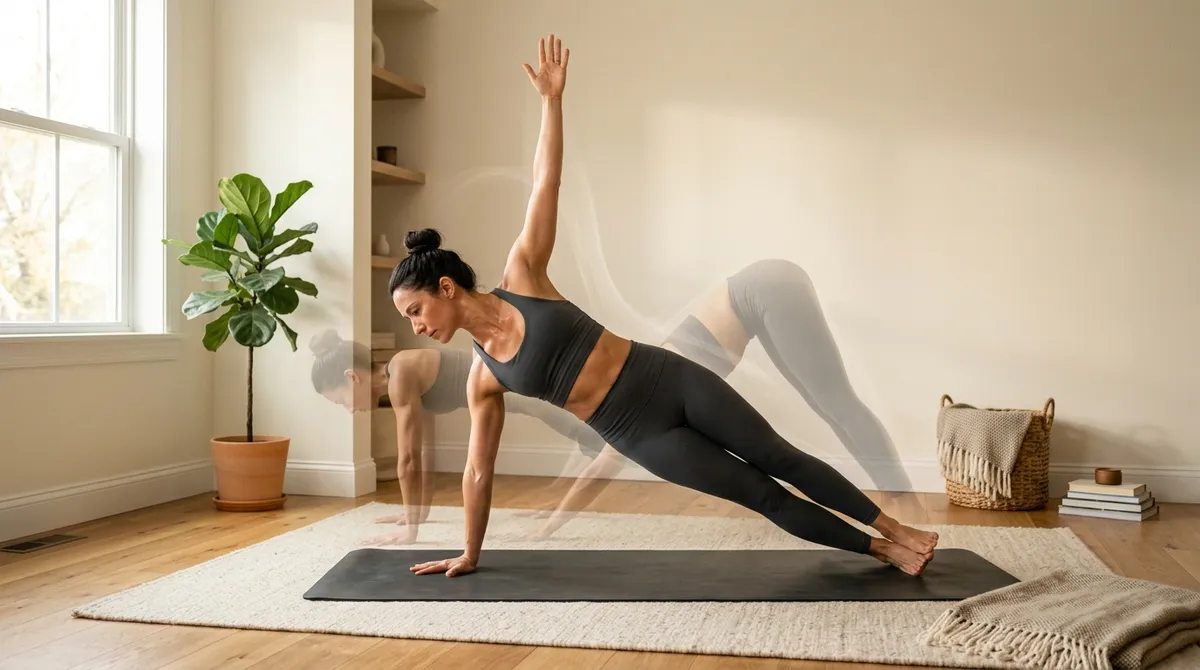
Side Plank Pose
This lateral variation targets the often-neglected side body muscles while continuing to strengthen the arms and core. Side Plank Pose also improves stability and balance.
Why Yoga Appeals to Modern Fitness Enthusiasts
The growing interest in yoga for strength training reflects broader fitness trends favoring functional, accessible exercise methods. Reports indicate that people are increasingly drawn to workouts that offer multiple benefits beyond simple muscle building.
Unlike traditional gym-based strength training, these yoga poses require no equipment and can be performed in any space large enough for a yoga mat. This accessibility has made yoga an attractive option for those seeking to maintain or build upper body strength from home.
Building an Effective Practice
Fitness experts suggest that these five poses can be incorporated into a comprehensive upper body strengthening routine. The versatility of yoga allows practitioners to modify poses based on their current fitness level and gradually progress to more challenging variations.
For beginners, modifications are available for more challenging poses like Chaturanga Dandasana and Side Plank Pose, making this approach suitable for practitioners of all levels. Advanced practitioners can extend hold times or add dynamic movements to increase the difficulty.
The Mind-Body Connection Advantage
Beyond physical strengthening, yoga's emphasis on breath awareness and mindful movement offers additional benefits not typically found in conventional strength training. This holistic approach appeals to health-conscious consumers seeking comprehensive wellness solutions.
The combination of strength building with flexibility and balance training makes yoga an efficient use of exercise time, addressing multiple fitness components in a single practice session.
Getting Started
Those interested in exploring yoga for upper body strength can begin by learning proper form for each of the five poses. Starting with shorter hold times and gradually increasing duration allows the body to adapt safely to the demands of these strengthening positions.
Regular practice of these poses can lead to noticeable improvements in upper body strength, making yoga a viable alternative or complement to traditional strength training methods for many fitness enthusiasts.