
The Reality of Aging After 60
According to health experts, aging can accelerate around age 60 due to factors like muscle loss and declining bone density. However, research shows that biological aging isn't just determined by genetics—it's significantly shaped by daily lifestyle habits that you can control.
The good news? You don't have to overhaul your entire life to make a meaningful impact on how you age. Simple, expert-backed strategies can help you maintain strength, independence, and mental sharpness as you navigate your 60s and beyond.
Fill Your Plate with Plants
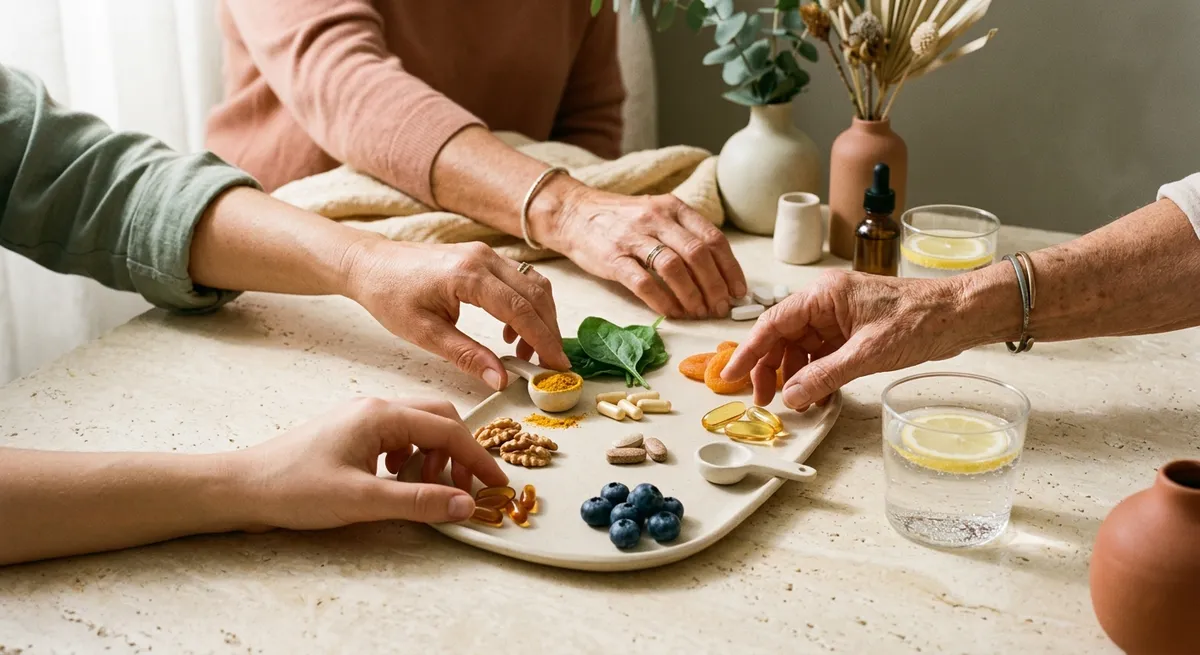
Nutrition plays a crucial role in healthy aging, and experts emphasize the importance of incorporating more plant-based foods into your diet. Plant-forward meals can support multiple aspects of health as you age, including muscle maintenance, heart health, and brain function.
Focus on adding colorful vegetables, fruits, whole grains, legumes, and nuts to your meals. These foods provide essential nutrients, antioxidants, and fiber that support your body's aging processes and help maintain energy levels throughout the day.
Prioritize Strength and Resistance Training
Experts recommend engaging in strength and resistance training three to four times a week to combat muscle loss that naturally occurs with aging. This type of exercise is particularly important after 60, as it helps maintain bone density, muscle mass, and functional independence.
You don't need complicated equipment or gym memberships to get started. Bodyweight exercises, resistance bands, or light weights can all be effective tools for building and maintaining strength as you age.
Clean Up Your Bedtime Routine
Quality sleep becomes increasingly important as we age, and establishing a consistent bedtime routine can significantly impact your overall health and longevity. Poor sleep can accelerate aging processes and affect everything from cognitive function to immune system health.
Create a calming pre-sleep environment by establishing regular bedtime and wake times, limiting screen exposure before bed, and creating a comfortable sleep environment that promotes restorative rest.
Practice Regular Mindfulness
Stress management is a key component of healthy aging, and experts suggest scheduling regular mindfulness alerts on your phone as a practical way to incorporate stress-reducing practices into your daily routine.
These brief mindfulness moments throughout the day can help manage stress levels, which is important since chronic stress can accelerate aging processes and impact both physical and mental health.
Stay Consistently Hydrated
Hydration becomes more critical as we age, and experts recommend investing in a water bottle you love and making it a habit to refill it throughout the day. Proper hydration supports numerous bodily functions that can help slow the aging process.
As we get older, our bodies become less efficient at regulating fluid balance, making consistent water intake even more important for maintaining energy, cognitive function, and overall health.
The Growing Focus on Healthspan
This practical approach to aging reflects a growing awareness in the health community about "healthspan"—the number of years we live in good health. More people are recognizing that while we can't control all aspects of aging, we can significantly influence how we age through daily choices and habits.
The key message from experts is reassuring: it's never too late to start implementing these strategies. Whether you're just turning 60 or well into your later years, these simple lifestyle modifications can help improve strength, brain health, and energy levels.
Starting Your Journey
The beauty of these expert-recommended strategies lies in their simplicity and accessibility. You don't need to make dramatic life changes or invest in expensive equipment. Instead, focus on gradually incorporating these evidence-based habits into your routine.
Remember that healthy aging isn't about perfection—it's about making consistent, small improvements that compound over time to help you maintain independence, vitality, and quality of life as you age.